November 4, 2026
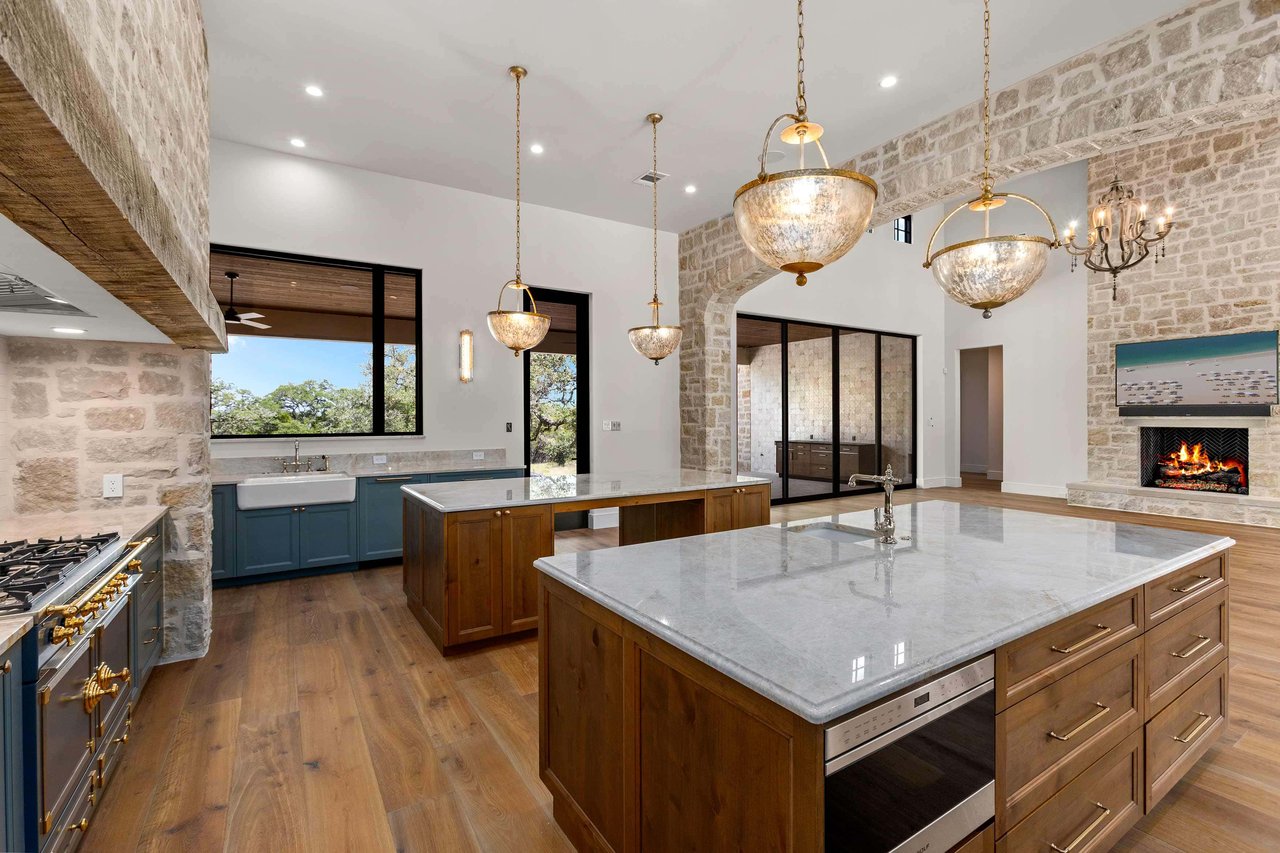
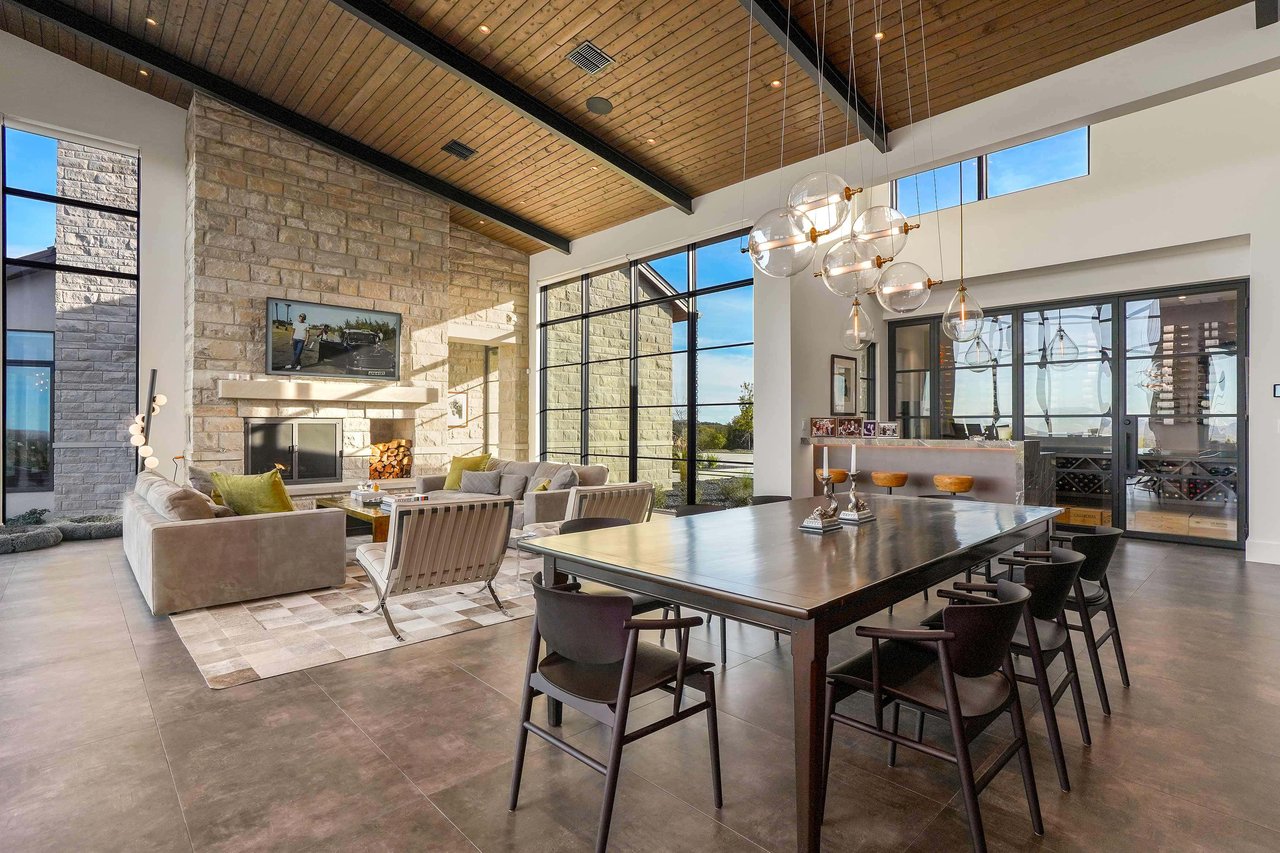
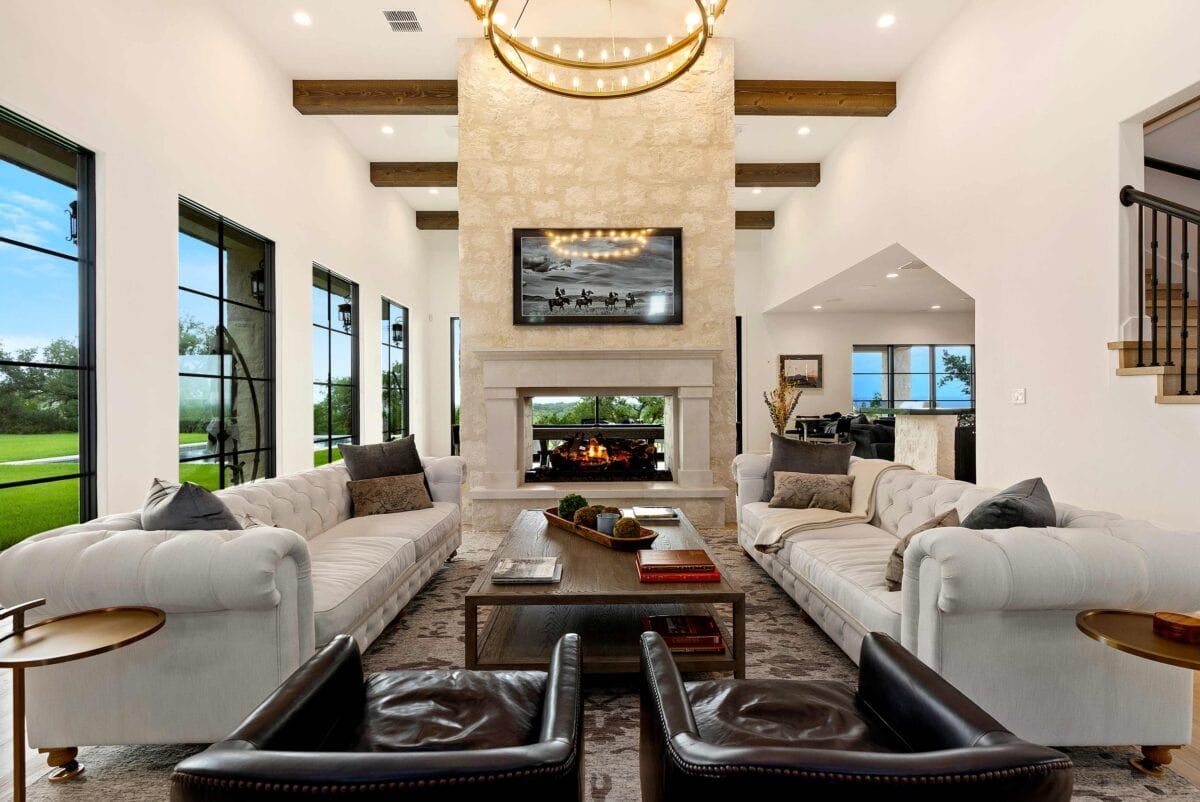
Large windows and a bright living room can create an immediate connection with a luxury home. Listing photographs may emphasize that feeling, but a showing captures only one part of the day. Before deciding that the light is perfect, consider how the spaces would work during your normal routine.
Do you want a bright place for morning coffee, comfortable light at a desk, or an outdoor area you will enjoy later in the day? Those priorities can lead to different answers within the same house.
Evaluate natural light room by room, with attention to time of day, window orientation, shading, glare, and privacy. Brightness alone is not a complete measure of comfort.
As a Luxury Real Estate Advisor with Kuper Sotheby's International Realty, I encourage buyers to consider the experience of living in a home alongside its visual appeal.
Start With the Rooms You Use Most
Choose the spaces that matter to your routine: the kitchen, primary bedroom, office, main gathering room, or a reading area. Stand or sit where you would actually spend time instead of judging the room only from the doorway.
Look at the surface you would use for a laptop, the likely television position, and the direction you would face while seated. A window can provide a lovely view while also raising a practical question about reflections or screen placement.
Write down the time and conditions during your visit. A sunny afternoon and an overcast morning are different observations, not directly interchangeable comparisons.
Understand Orientation Without Oversimplifying It
Ask how the main windows and outdoor spaces are oriented. The U.S. Department of Energy's daylighting guidance notes that managing heat and glare is more challenging at east- and west-facing windows.
That does not mean a home with those windows is the wrong choice. Trees, overhangs, surrounding structures, glass, and window coverings all deserve consideration. Evaluate the actual room rather than rejecting an entire property based on a compass direction.
Also distinguish a bright interior from a claim about energy efficiency. Window size and orientation alone cannot establish future bills or overall building performance.
Look at Glare and Shade Together
Notice where direct sunlight falls and whether it would affect the activities you have in mind. Look for existing shades, shutters, or draperies and ask which items are included in the purchase.
Imagine the room with the coverings in the positions you would normally use. If the view requires keeping them open but comfort seems to require closing them, decide whether that tradeoff works for you.
If adding exterior shading or changing windows is essential, consult the appropriate professionals and confirm applicable restrictions and approvals. A possible future improvement should be evaluated before it becomes part of your purchase assumptions.
Consider Privacy With the Coverings Open
Natural light and privacy often need to be considered together. Look toward nearby homes, walkways, and outdoor gathering areas from the rooms that matter to you.
Would you be comfortable leaving the coverings open during the day? Does a bathroom or primary bedroom need a different solution from the living room? A high window, courtyard, or shaded terrace may create a different experience from a large window facing a neighboring property.
A daytime visit also cannot establish how the interior feels from outside after dark. If that matters to your decision, discuss an appropriate additional visit with your agent rather than making assumptions from daylight alone.
Evaluate the Outdoor Spaces at Your Preferred Time
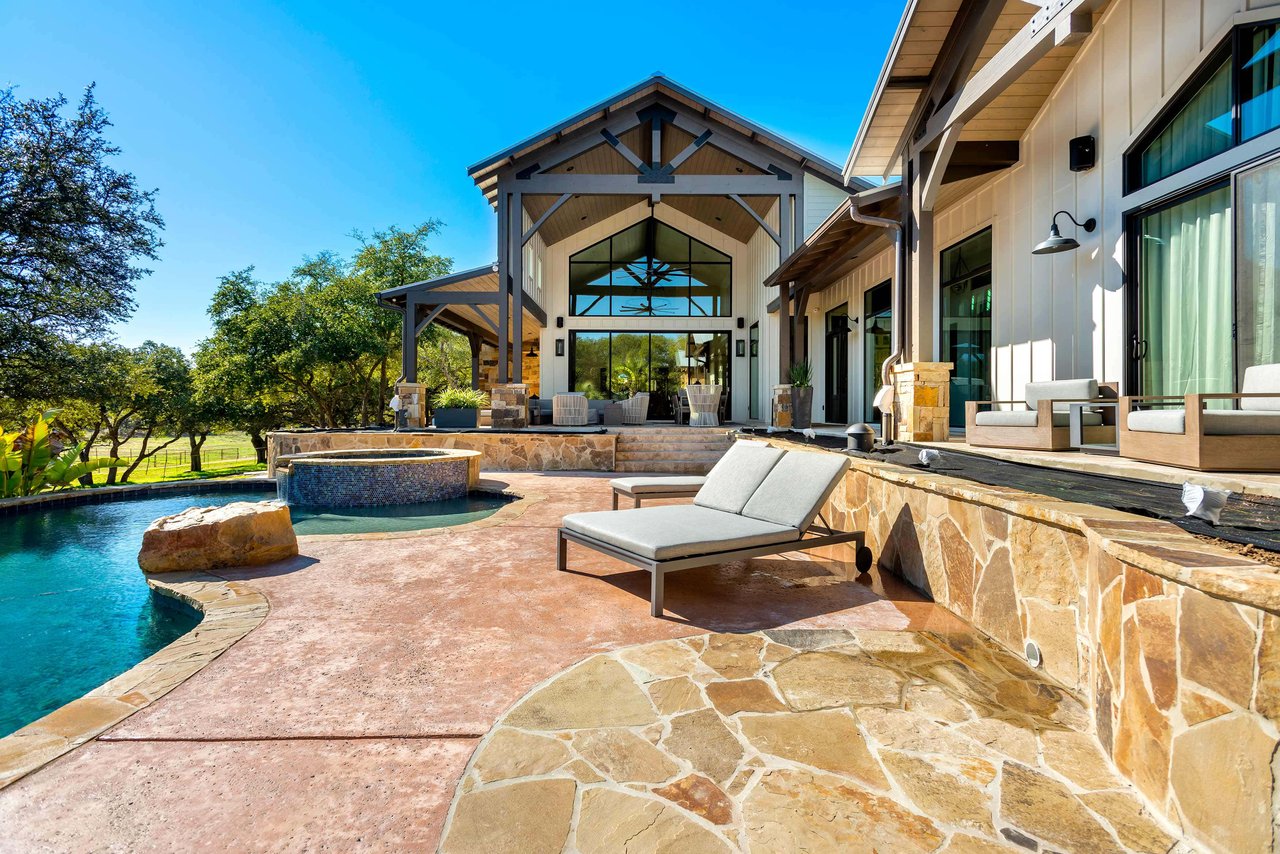
A covered patio may appeal for breakfast, outdoor dining, or relaxing after work. Think about the time you would use it and the position of existing shade.
Walk the accessible areas and compare the relationship between the house, terrace, trees, and seating locations. Decide whether the space offers the combination of openness and shelter you enjoy.
Remember that tree cover can change and vegetation outside the property may be controlled by others. Do not base an essential requirement solely on a neighboring tree remaining exactly as it is.
Use a Second Visit to Answer Specific Questions
If a home is a serious contender, request another permitted showing at a different time when practical. Go back with a short list of questions instead of simply repeating the first tour.
Revisit the office desk location, main seating area, and patio. Compare what you observe with your intended schedule. One additional visit is still only a sample; seasonal conditions and weather can change the experience.
For concerns about glass performance, leaks, or temperature differences, use inspections and qualified specialist evaluations. A showing helps identify questions but does not replace technical review.
Natural-Light Showing Checklist
- Identify the rooms and times of day that matter most to you.
- Record the time and weather during the visit.
- Evaluate windows from likely seated and working positions.
- Consider reflections, existing shade, and included coverings.
- Balance the view with your privacy preferences.
- Check outdoor areas against your preferred use.
- Arrange targeted follow-up visits or specialist review where needed.
Frequently Asked Questions
Do large windows guarantee a comfortable room?
No. The experience depends on several details, including orientation, shading, glass, layout, and how you use the room. Evaluate the actual property.
Can I estimate energy costs from how bright the home feels?
No. Brightness is not an energy assessment. Review reliable property information and ask qualified professionals about performance concerns.
Find a Home That Feels Right Throughout the Day
The right light should support the way you use your home. If you are comparing luxury properties in San Antonio, contact me to organize showings around the details that shape your everyday experience.
Cody Miller | Luxury Real Estate Advisor | Kuper Sotheby's International Realty