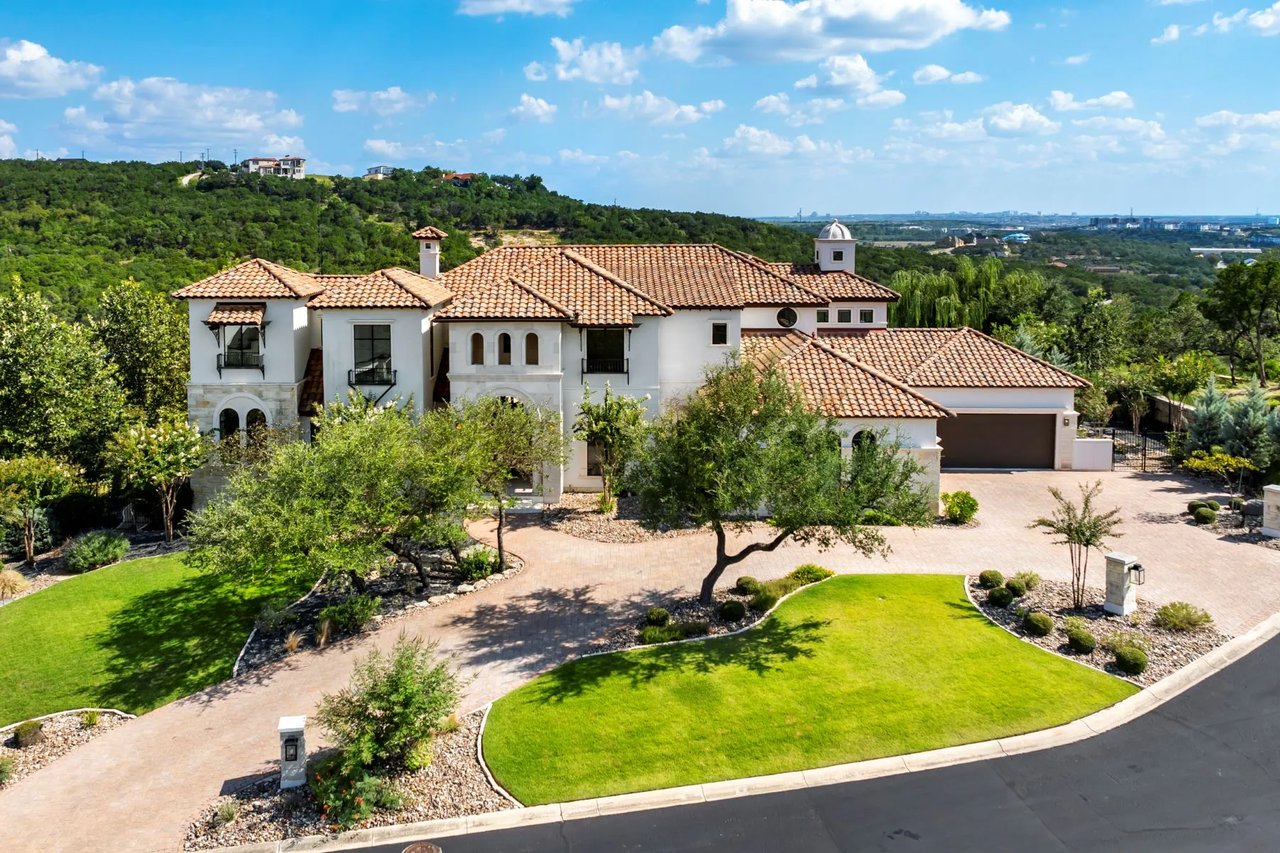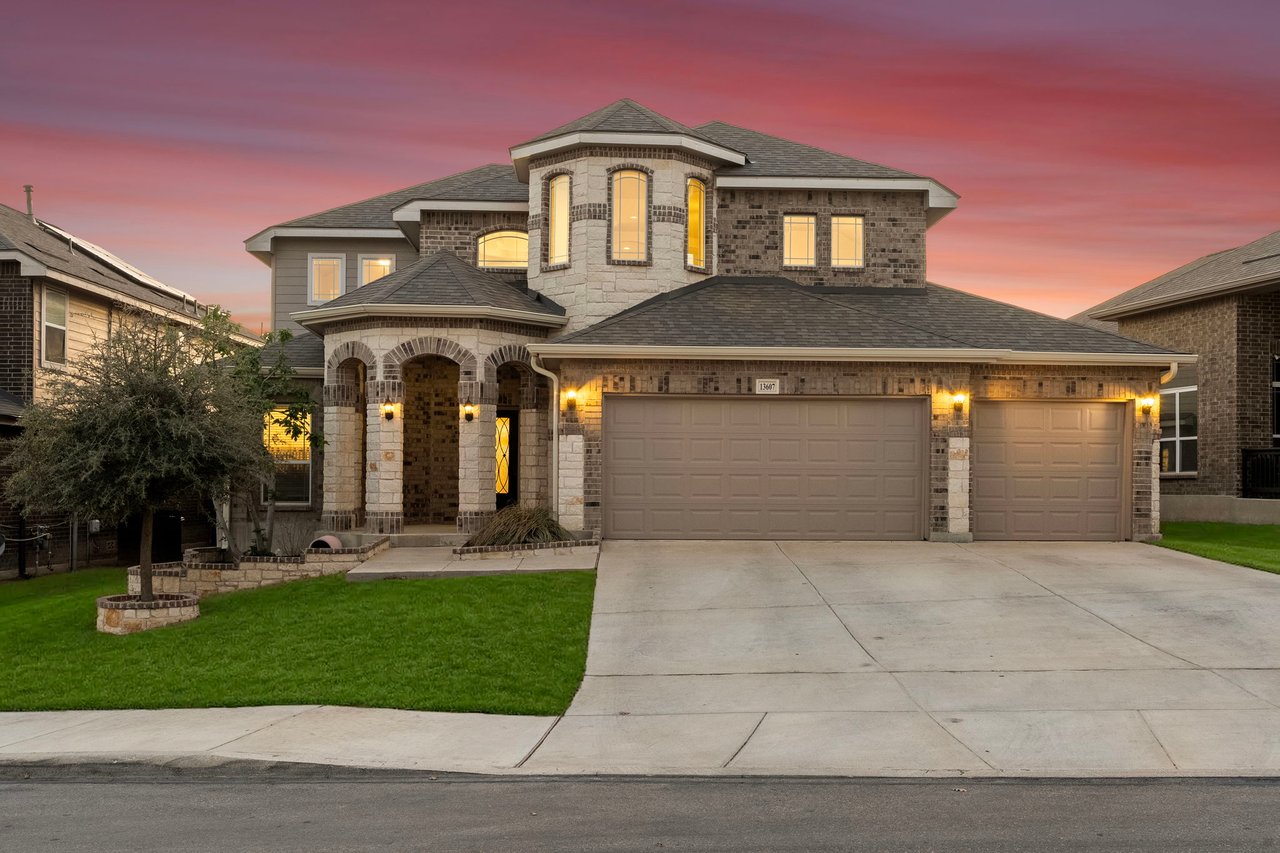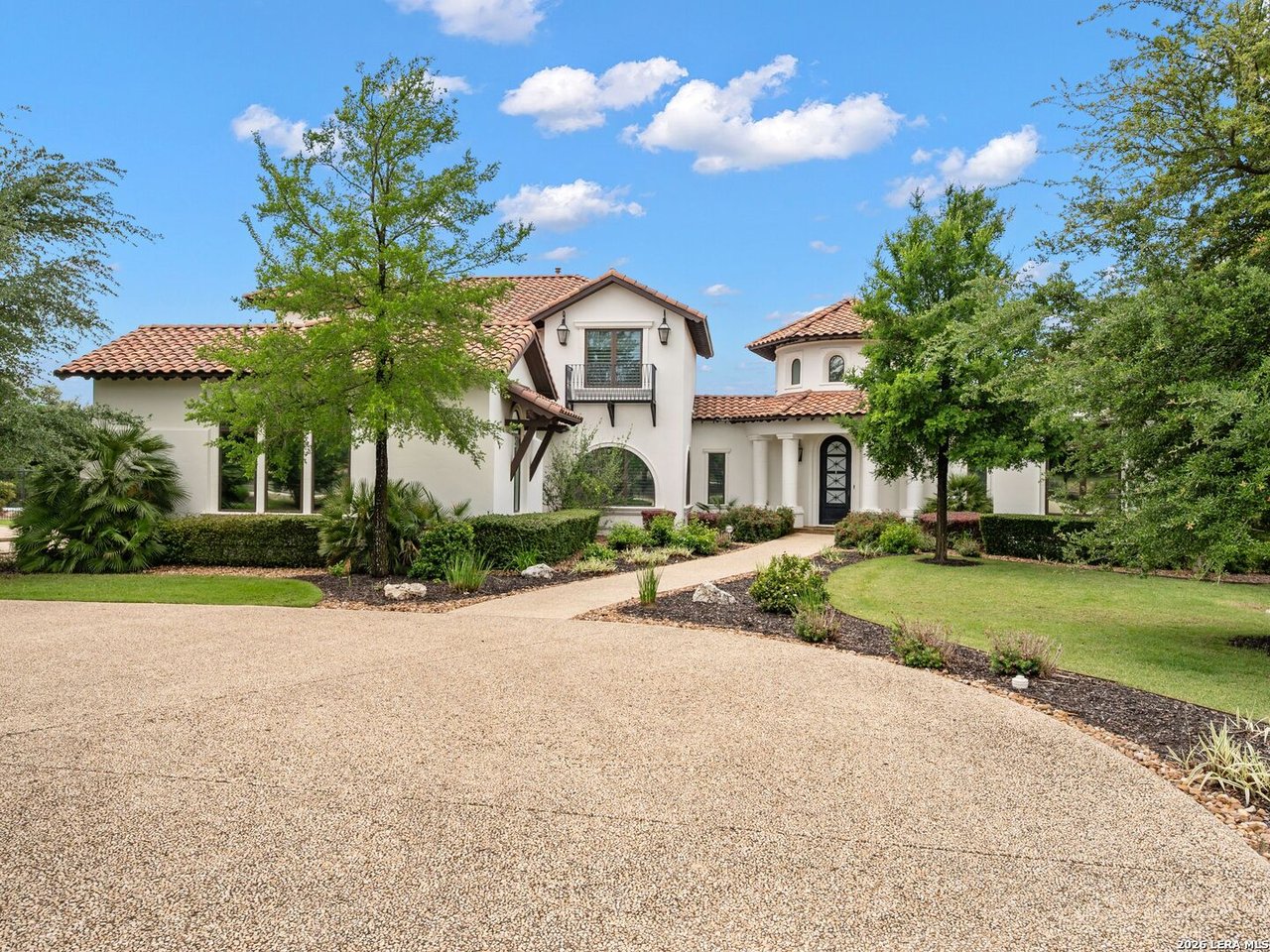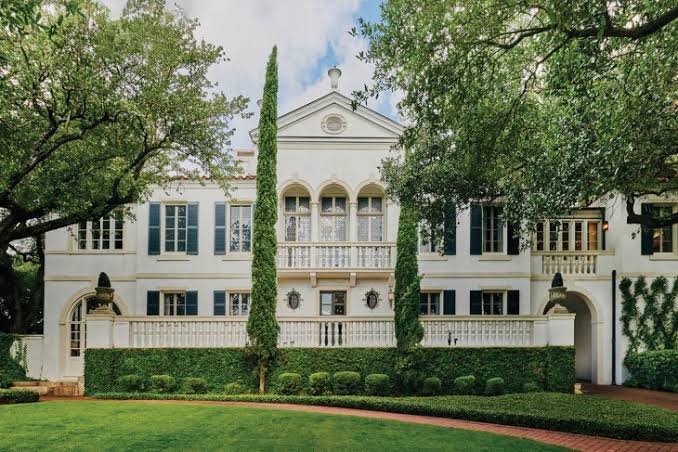
Selling a luxury home in San Antonio requires a different strategy than simply putting a property on the market and waiting for buyers to find it. Higher-end homes often have a smaller buyer pool, more unique features and fewer truly comparable sales, which makes pricing, presentation and marketing especially important.
In 2026, sellers also need to understand that buyers have choices. From established luxury communities inside San Antonio to custom homes and acreage throughout the Texas Hill Country, a luxury property may be competing with homes well beyond its immediate neighborhood.
If you're considering selling a luxury home in San Antonio, here's what every seller should understand before going to market.
Luxury Homes Require a Different Selling Strategy
Luxury real estate isn't simply conventional real estate with a higher price tag.
A unique custom home may have very few recent comparable sales. Features such as acreage, views, pools, outdoor living spaces, guest accommodations, extensive renovations, garage capacity and construction quality can significantly influence how buyers perceive value.
The buyer pool can also become smaller as the price increases. That makes positioning especially important because the goal isn't simply generating attention—it's getting the property in front of buyers who may realistically consider purchasing it.
For sellers, that means the strategy should begin well before the home officially reaches the market.
How Should You Price a Luxury Home in San Antonio?
Pricing is one of the most important decisions a luxury seller will make.
While price per square foot can provide useful context, it should rarely be the only metric used to determine the value of a luxury property.
Two homes of similar size can sell for dramatically different prices based on factors such as:
- Location and neighborhood
- Lot size and acreage
- Age and condition
- Renovations and interior finishes
- Construction quality
- Swimming pools and outdoor living spaces
- Views
- Garage capacity
- Guest houses or secondary living spaces
- Gated or guarded access
- Golf course or club proximity
- Overall property presentation
A thoughtful pricing strategy should consider recent comparable sales, competing listings, current market conditions and the characteristics that make the property different from other homes buyers may be considering.
Why Pricing Correctly From the Beginning Matters
It can be tempting to list high and plan to negotiate later. In some situations that strategy can work, but sellers should understand the potential downside.
The first few weeks on the market are often when a new listing receives some of its strongest attention from buyers and real estate agents.
If buyers perceive the home as significantly overpriced, they may decide not to tour it at all.
As days on market accumulate, buyers may also begin wondering why the property hasn't sold, which can change the negotiating dynamic.
That doesn't mean a seller should price a luxury property aggressively low. It means the asking price should be intentional and supported by the market.
Who Is the Buyer for Your Home?
Before marketing a luxury property, one of the most important questions is: Who is most likely to buy this home?
A large estate in The Dominion may compete differently than acreage near Boerne or a custom estate in Cordillera Ranch.
A custom home in Stone Oak may compete with properties in other gated North San Antonio communities, while a home in Fair Oaks Ranch may also be considered alongside properties throughout the greater Boerne and Hill Country market.
Understanding the likely buyer helps determine how the property should be positioned, photographed, described and marketed.
Preparing a Luxury Home for the Market
Preparation doesn't necessarily mean completing a major renovation before selling.
Instead, sellers should focus on improvements that help the property show at its best and eliminate distractions that could affect a buyer's first impression.
Depending on the property, preparation may include:
- Touch-up painting
- Professional cleaning
- Window cleaning
- Landscape improvements
- Pressure washing
- Minor repairs
- Lighting updates
- Decluttering
- Furniture and staging adjustments
- Pool and outdoor-area preparation
Before recommending expensive improvements, I prefer to consider whether the investment is likely to improve marketability or provide a meaningful return.
Sometimes a relatively small improvement can make a significant difference in photography and showings. Other times, the better strategy is to bring the home to market without completing a costly renovation that the next owner may want to personalize anyway.
Professional Photography Is Only the Beginning
Professional photography should be a baseline expectation when marketing a luxury property.
But luxury marketing shouldn't stop with photos.
Depending on the property, a comprehensive marketing strategy may incorporate:
- Professional architectural photography
- Cinematic property video
- Aerial photography and drone video when appropriate
- Detailed property descriptions
- Custom property webpages
- Social media marketing
- Targeted digital advertising
- Agent-to-agent promotion
- Brokerage network exposure
- Print marketing when appropriate
- Property-specific marketing campaigns
The goal is to tell the story of the property while making it easy for prospective buyers and their agents to understand what makes the home distinctive.
Why Online Presentation Matters So Much
Many buyers will form their first impression of a property online before ever scheduling a showing.
That means photography, listing order, description, video and overall presentation can influence whether someone decides to see the home in person.
A luxury listing should clearly communicate the property's strongest features without requiring a buyer to search through dozens of photos to understand what makes the home special.
Every part of the online presentation should work together—from the lead photograph to the property description and supporting marketing.
Marketing Beyond the MLS
The MLS is an essential part of selling a home, but for a luxury property, I believe the marketing strategy should extend far beyond simply placing the home online and waiting for buyers to find it.
One of the reasons I chose to align my business with Kuper Sotheby's International Realty is the marketing platform I can bring to my sellers. It allows me to position a property with the support of an established luxury real estate brand, sophisticated marketing resources and a network designed to showcase distinctive homes at a high level.
When I list a luxury home, my goal is to make the property feel like a carefully positioned offering rather than simply another listing on the market. That starts with understanding what makes the home distinctive and building the presentation around those features.
Depending on the property, that strategy may include professional architectural photography, cinematic video, drone photography and video, custom print and digital materials, social media campaigns, targeted digital advertising, agent-to-agent promotion, property-specific marketing and exposure through the Sotheby's International Realty network.
Being part of Kuper Sotheby's International Realty also gives me access to an experienced marketing team and resources built around presenting luxury real estate. For my sellers, that means I don't have to approach the marketing of their home alone—I can combine my local market knowledge, personal marketing strategy and direct involvement with the resources and reach of an internationally recognized luxury real estate brand.
That combination can be especially valuable in San Antonio's luxury market, where the eventual buyer may already live nearby, may be relocating from another Texas market or may first discover the property from outside the region.
Ultimately, the Sotheby's International Realty name alone doesn't sell a home. Pricing, presentation, strategy and execution still matter. My job is to bring those pieces together and use the platform available to me to position each property as strongly as possible from the moment it enters the market.
Your Competition May Not Be in Your Neighborhood
One of the biggest mistakes a luxury seller can make is looking only at homes within the same subdivision.
Buyers don't always search that way.
A buyer with a $1.5 million budget may simultaneously consider homes in The Dominion, Shavano Park, Stone Oak, Boerne, Fair Oaks Ranch and other communities depending on their priorities.
That means your home's competition may include properties several miles away that offer a similar combination of price, size, finishes and amenities.
A strong listing strategy considers both neighborhood-specific comparable sales and the broader alternatives available to the target buyer.
How Does New Construction Affect Luxury Sellers?
Luxury resale homes in San Antonio can also compete with new construction.
Builders may offer incentives, financing programs, customization opportunities or other benefits that influence buyer decisions.
At the same time, an established resale property may offer advantages such as mature landscaping, completed outdoor living spaces, a finished swimming pool, window treatments and other improvements that a buyer would otherwise need to add after purchasing a new home.
The marketing strategy should clearly communicate those differences rather than simply competing on price.
Should You Renovate Before Selling?
Not every luxury home needs to be renovated before it goes on the market.
Whether an improvement makes sense depends on the home's current condition, expected selling price, competing inventory and the cost of the project.
Cosmetic improvements that improve the home's presentation may be worthwhile, while large renovations should be evaluated more carefully.
A seller considering a significant investment before listing should first understand how buyers are likely to respond and whether comparable sales support the additional expense.
What Happens If Your Luxury Home Isn't Selling?
If a home has been on the market without generating the expected activity, the first step should be determining why.
That means looking beyond days on market and evaluating the complete listing strategy.
Questions worth asking include:
- Is the price supported by current market data?
- How does the home compare with active competition?
- Are buyers scheduling showings?
- What feedback are agents and buyers providing?
- Does the photography accurately represent the property?
- Are the home's strongest features obvious online?
- Is the property reaching the right audience?
- Have market conditions changed since the home was listed?
A price adjustment may sometimes be appropriate, but price isn't automatically the only reason a property hasn't sold.
The marketing, presentation and positioning should be evaluated together.
Negotiating a Luxury Home Sale
The highest offer isn't always automatically the strongest offer.
Luxury sellers should evaluate the complete structure of an offer, including financing, cash position, option periods, contingencies, closing timeline, requested concessions and the buyer's overall ability to perform.
A slightly lower offer with stronger terms may sometimes be more attractive than a higher offer containing significant contingencies or uncertainty.
The goal is to evaluate both price and risk before deciding how to respond.
How Long Does It Take to Sell a Luxury Home in San Antonio?
There isn't one standard timeline for selling a luxury property.
Market time can vary significantly depending on price point, neighborhood, condition, uniqueness, competing inventory and overall buyer demand.
As price increases, the number of potential buyers generally becomes smaller, which can naturally create longer marketing periods for some properties.
Rather than focusing on an arbitrary number of days, sellers should monitor showing activity, buyer feedback, competing listings and recent sales to determine how the market is responding.
Choosing a Luxury Real Estate Agent in San Antonio
When interviewing an agent to sell a luxury home, sellers should look beyond the proposed list price.
A strong listing presentation should explain how the recommended price was determined, how the property will be prepared and positioned, what marketing will be completed, how buyer and agent feedback will be communicated and how the strategy will adapt if the market doesn't respond as expected.
Local market knowledge is particularly important because luxury real estate varies considerably across San Antonio and the surrounding Hill Country.
Selling an estate in The Dominion can require a different strategy than marketing acreage in Boerne or a custom home in Cordillera Ranch.
The brokerage behind the listing matters as well. I believe sellers should consider not only the individual agent they hire, but also the marketing resources, brand positioning and network supporting that agent. My affiliation with Kuper Sotheby's International Realty allows me to combine a hands-on, locally focused listing strategy with the resources of a globally recognized luxury real estate brand.
Selling a Luxury Home in San Antonio in 2026
Successful luxury marketing starts with understanding the property, the competition and the buyer.
Pricing should be supported by the market. Presentation should showcase what makes the property distinctive. Marketing should extend beyond simply entering the home into the MLS. And the strategy should continue evolving based on real buyer activity and feedback.
I work with sellers throughout San Antonio and the surrounding Texas Hill Country, including The Dominion, Stone Oak, Shavano Park, Fair Oaks Ranch, Boerne, Cordillera Ranch and other luxury communities.
If you're considering selling, I can help you evaluate your home's position in the current market and develop a pricing, presentation and marketing strategy specific to your property.
Frequently Asked Questions About Selling a Luxury Home in San Antonio
What is considered a luxury home in San Antonio?
There is no single price that defines every luxury property in San Antonio. Luxury can vary by neighborhood and may be influenced by price, lot size, architecture, construction quality, amenities, location and the uniqueness of the property. A home should be evaluated within the context of its specific market rather than by price alone.
How do I determine what my luxury home is worth?
A luxury home valuation should consider recent comparable sales, active competition, location, lot size, condition, renovations, construction quality, amenities and current buyer demand. Because unique properties may have relatively few direct comparable sales, determining value often requires a more detailed analysis than simply calculating an average price per square foot.
Should I renovate my luxury home before selling?
Not necessarily. Smaller improvements that enhance presentation can sometimes make sense, while major renovations should be evaluated based on cost, expected return and buyer preferences. Before completing an expensive project, sellers should consider whether the improvement is likely to materially change the home's marketability or selling price.
Do luxury homes take longer to sell?
They can. Higher price points typically have smaller buyer pools, and unique properties may require more time to connect with the right buyer. Market time depends on pricing, location, condition, competition, marketing and overall demand.
Does professional marketing matter when selling a luxury home?
Yes. Because many buyers first encounter a property online, professional photography, video, listing presentation and digital exposure can play an important role in generating interest. For luxury properties, the broader marketing platform and network supporting the listing can also help expand its exposure beyond the immediate local market.
Is price per square foot a good way to value a luxury home?
Price per square foot can be useful as one point of comparison, but it doesn't account for many characteristics that influence luxury-home values. Lot size, renovations, pools, views, garage capacity, construction quality and other features should also be considered.
Explore San Antonio Luxury Communities
Luxury real estate varies significantly throughout San Antonio and the Texas Hill Country. Explore my community guides for a closer look at homes, neighborhoods, amenities and real estate in several of the area's luxury markets.
- The Dominion – Explore luxury homes, neighborhoods, amenities and real estate in one of San Antonio's most recognized luxury communities.
- Stone Oak – Explore gated neighborhoods, custom homes and real estate throughout North San Antonio.
- Fair Oaks Ranch – Learn more about custom homes, larger properties and Hill Country real estate between San Antonio and Boerne.
- Boerne – Explore luxury homes, acreage, custom communities and Texas Hill Country real estate in and around Boerne.
- Cordillera Ranch – Explore custom estates, expansive homesites, club amenities and luxury real estate in Cordillera Ranch.
Explore all San Antonio & Texas Hill Country neighborhood guides →
Considering Selling Your San Antonio Luxury Home?
If you're thinking about selling a luxury home in San Antonio or the Texas Hill Country, the first step is understanding how your property compares with today's market.
I can prepare a customized analysis of your home, review recent comparable sales and competing listings, and develop a pricing, presentation and marketing strategy based on your specific property and goals.
Through Kuper Sotheby's International Realty, I can pair that local strategy with the marketing resources, network and luxury brand positioning available through Sotheby's International Realty.
Contact Cody Miller with Kuper Sotheby's International Realty to discuss selling your home.