November 3, 2026
A beautiful kitchen can become the center of a home showing. The stone, cabinetry, lighting, and appliances are easy to notice. What takes a closer look is whether the room works for the way you cook, gather, and move through an ordinary day.
When buyers compare homes in Stone Oak, I recommend imagining the kitchen in use. Think about breakfast on a busy morning, unloading groceries, cleaning up after dinner, and having friends over. Those routines reveal details that a photograph cannot.
Evaluate a kitchen by its usable work areas, storage, circulation, and connection to the rest of the home. The right layout should support your routine as comfortably as the finishes suit your taste.
As a Luxury Real Estate Advisor with Kuper Sotheby's International Realty, I help buyers look at how each space functions before deciding which features deserve the most weight.
Walk the Grocery Route First
Start where you would normally arrive. Follow the route from the garage or parking area to the kitchen, pantry, and refrigerator. Consider steps, doors, tight turns, and where bags would land.
A pantry can be generous in size and still feel awkward if it is far from the main work area. A convenient drop zone may matter more to you than another decorative cabinet. Compare the route with your own habits rather than looking for one universal arrangement.
Notice whether this path crosses the cooking area. If several people tend to arrive at once, think about how the room would handle that movement.
Identify Where You Would Prepare a Meal
Choose a realistic place for chopping, mixing, and setting down ingredients. Look at the relationship among that surface, the sink, refrigerator, range, and storage for frequently used items.
Ask where small appliances would live. An expansive counter can feel much smaller once it holds a coffee maker, mixer, toaster, or other equipment you regularly use.
With permission, open cabinet doors and drawers to understand the usable space. Do not operate unfamiliar appliances without authorization. Equipment condition and installation questions belong with your inspector or the appropriate specialist.
Evaluate the Island With Seats in Mind
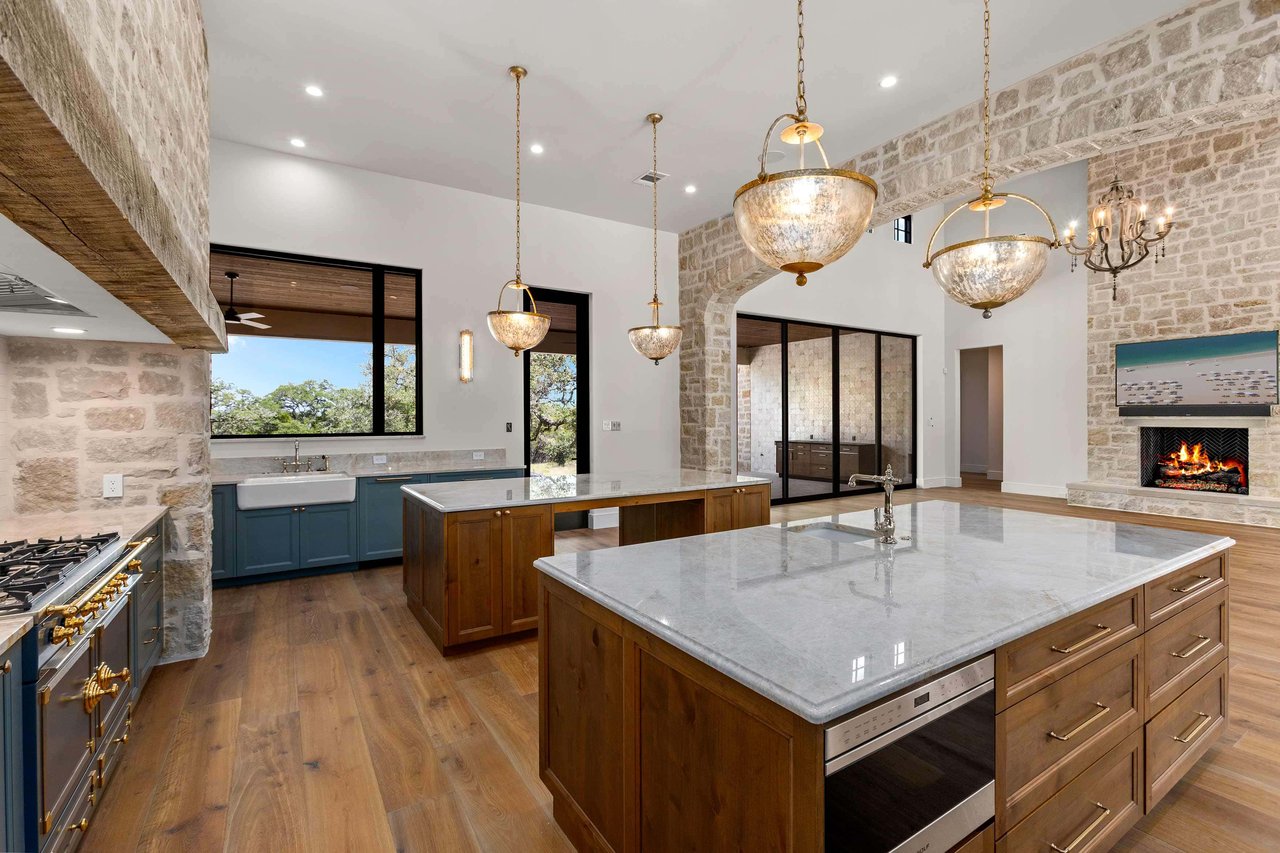
An island may offer preparation space, seating, storage, or all three. Imagine people actually seated there. Would someone still be able to pass comfortably? Would a chair block a drawer or the route to the refrigerator?
Look at the relationship between seating and hot cooking surfaces. If entertaining is a priority, decide whether you want guests close to the work area or separated from it.
A larger island is not automatically more useful. Compare its proportions with the room and the tasks you want it to support. If dimensions are important, measure with permission and consult a kitchen designer about planned changes.
Look at Storage From the Inside
Count the things you need to store rather than simply counting cabinets. Consider dishes, cookware, pantry staples, serving pieces, recycling, and appliances that you prefer to keep off the counters.
Check whether frequently used storage is easy for you to reach. Deep cabinets, high shelves, and corner spaces may work well for some items and poorly for others. A staged kitchen can look uncluttered because much of the everyday equipment is absent.
If you are moving from another home, take an inventory before touring. It makes the comparison more concrete and helps you distinguish an actual storage shortage from a different organizational approach.
Think Through Cleanup and Entertaining
Stand at the sink and imagine the dishwasher open. Then consider someone clearing the table while another person puts food away. Do the routes compete for the same small area?
Follow the path to the dining room and covered patio. If you entertain outdoors, consider how drinks and serving dishes would move between those spaces. Look for practical places to set things down rather than assuming proximity alone creates good flow.
In an open plan, also consider what remains visible from the living area. Some buyers enjoy having everything connected; others prefer a place where preparation or cleanup can be less prominent.
Separate What You Like From What You Plan to Change
Paint, hardware, and light fixtures may feel easier to imagine changing than walls or appliance locations. Even a seemingly simple project should be evaluated before you rely on it.
If your decision depends on moving plumbing, changing ventilation, removing a wall, or adding equipment, get qualified advice and realistic estimates. Confirm applicable approvals and requirements. Do not treat a showing conversation as confirmation that a renovation is feasible.
Stone Oak offers different property styles and floor plans. Compare each kitchen as it exists today, then give any proposed changes a separate, informed review.
A Kitchen Showing Checklist
- Walk the arrival route with groceries in mind.
- Identify a usable preparation area.
- Allow for the small appliances you actually keep out.
- Imagine island seating and open appliance doors.
- Look inside permitted cabinets and drawers.
- Follow the cleanup and serving routes.
- Have essential renovation plans reviewed by qualified professionals.
Frequently Asked Questions
Does a large kitchen always function better?
No. Distances, storage placement, and circulation may matter more to your routine than the total size of the room.
Should I overlook a layout problem because I love the finishes?
Consider how often the problem would affect you and whether any proposed solution has been properly evaluated. Choose with both daily use and realistic change options in mind.
Choose a Kitchen You Will Enjoy Using
The best kitchen for you should work on an ordinary weekday as well as when you entertain. If you are comparing Stone Oak homes, contact me to build a search around the details that matter to your daily life.
Cody Miller | Luxury Real Estate Advisor | Kuper Sotheby's International Realty