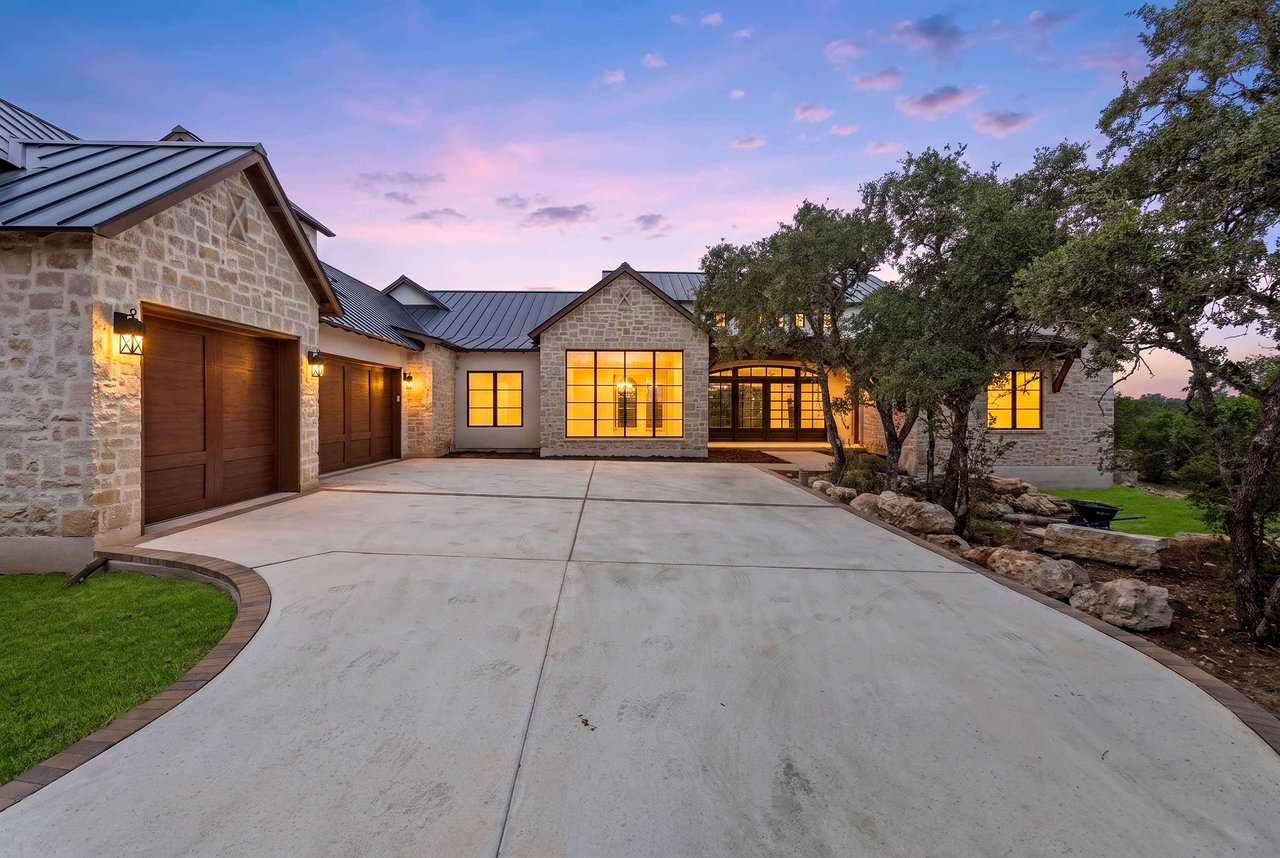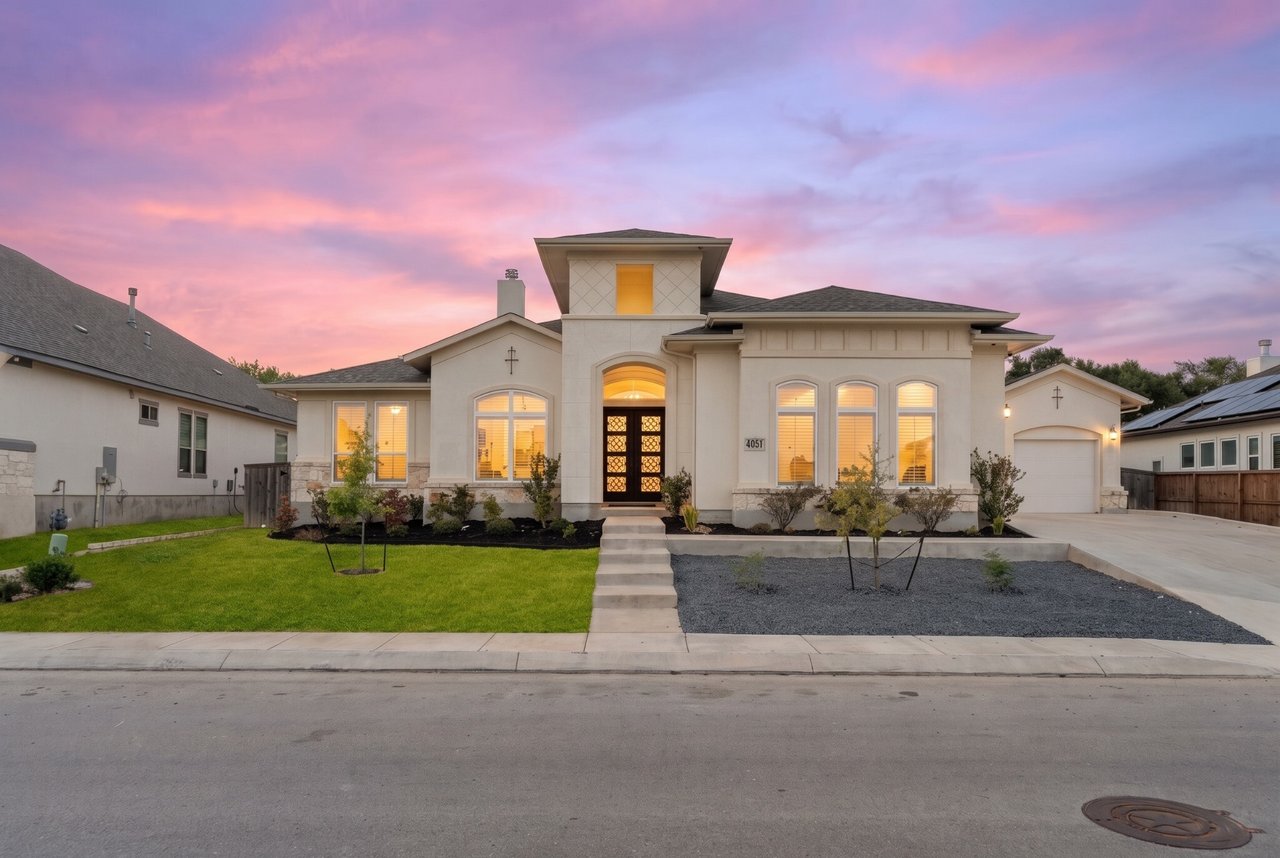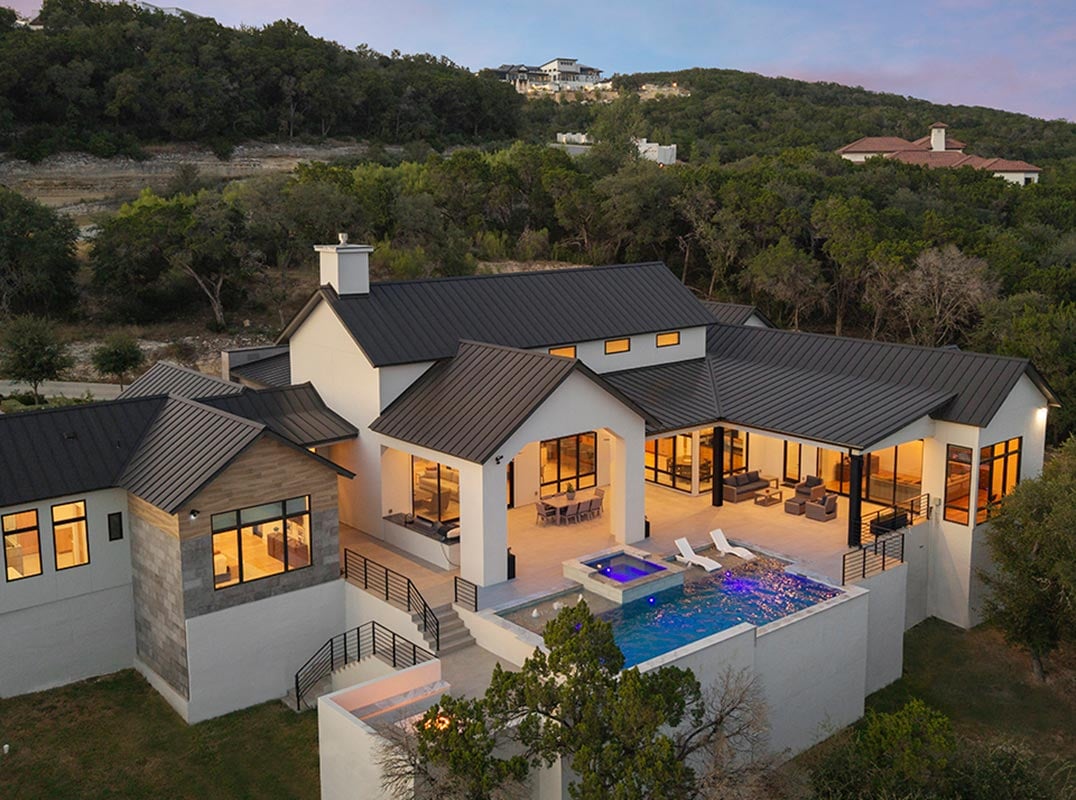
A luxury home can make an incredible first impression.
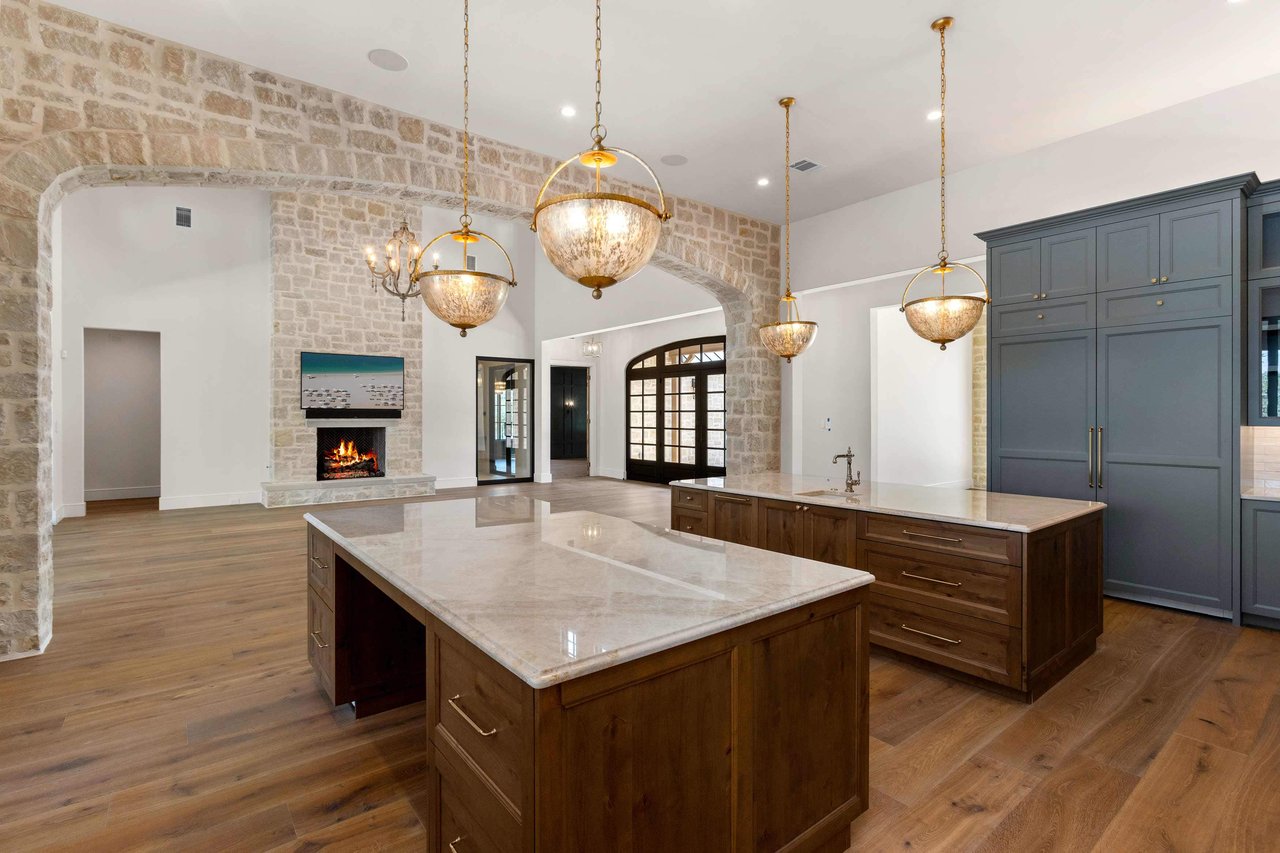
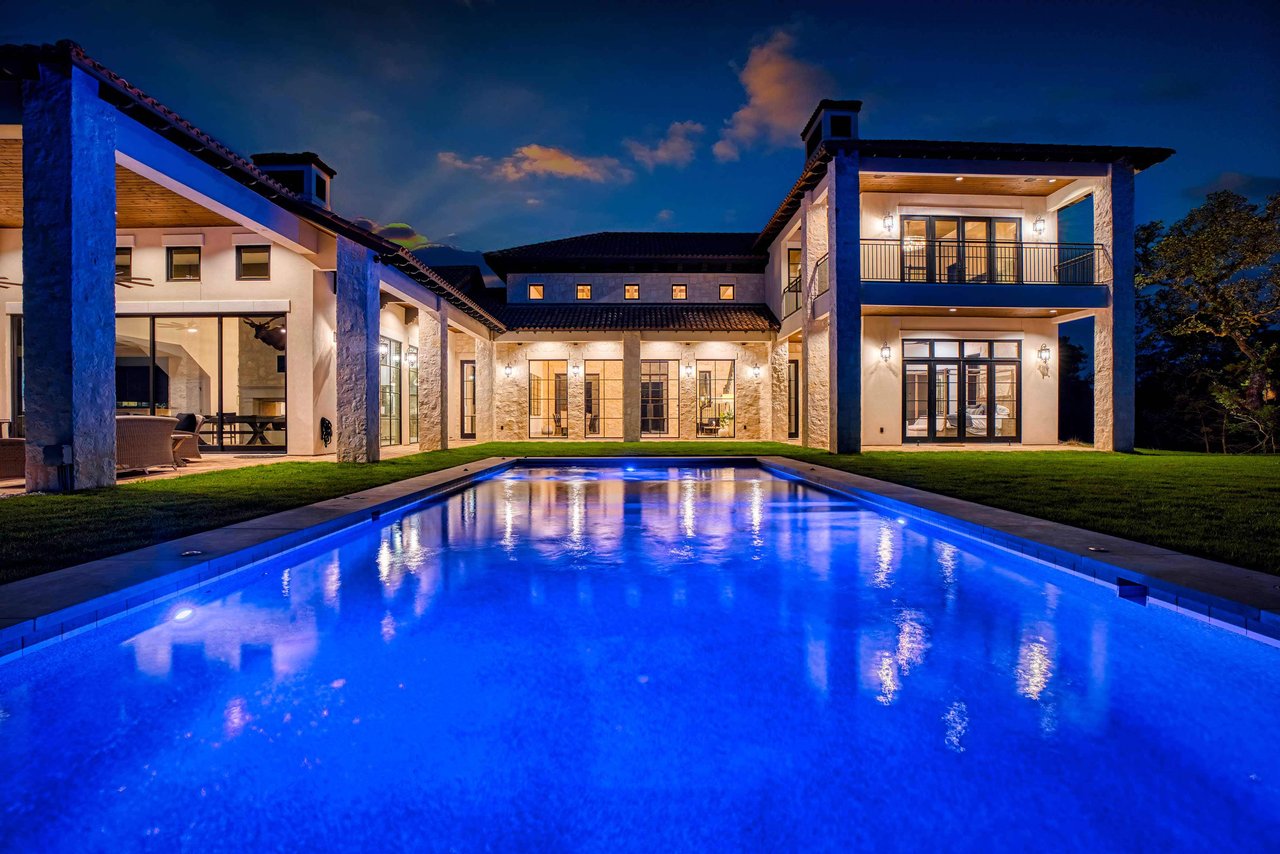
Beautiful countertops, soaring ceilings, designer lighting, custom cabinetry and a resort-style backyard can make a property feel exceptional from the moment you walk through the front door.
But when I'm evaluating a luxury home in San Antonio, those are not the only things I'm paying attention to.
Some of the most important characteristics of a high-end property are the things buyers cannot immediately see.
Construction quality, mechanical systems, insulation, drainage, renovation history, homesite characteristics and long-term maintenance can all influence whether a property represents a sound purchase.
And in San Antonio's luxury market, two homes with similar square footage and asking prices can offer very different levels of quality.
As a Luxury Real Estate Advisor with Kuper Sotheby's International Realty serving San Antonio and the surrounding Texas Hill Country, I believe buyers should evaluate the entire property rather than focusing exclusively on its finishes.
Here are 12 things I recommend investigating when purchasing a luxury home in San Antonio.
1. The Specific Neighborhood and Micro-Location
Location matters in luxury real estate, but the individual homesite and position within a community can matter just as much as the neighborhood name.
San Antonio has several established luxury markets, each offering different residential environments.
For example, The Dominion offers controlled access, private roads, established custom estates and newer luxury construction.
Shavano Park includes substantial residential properties, established homes and newer custom residences in a North Central San Antonio location.
Cordillera Ranch offers a more expansive Hill Country environment near Boerne, with custom homes, larger homesites and private-club amenities.
Meanwhile, Stone Oak includes numerous subdivisions and luxury enclaves with different price points, architectural styles and neighborhood characteristics.
But even within one community, individual properties can differ substantially.
When evaluating location, I want to understand:
- Where the property sits within the neighborhood
- Whether the home backs to another residence, open space or a golf course
- Traffic and road exposure
- Lot orientation
- Privacy from neighboring properties
- Nearby construction or potential development
- Applicable HOA requirements
- Proximity to the buyer's regular destinations
A premium neighborhood address does not automatically mean every homesite within that neighborhood carries the same value.
2. The Homesite: Usable Land, Elevation and Drainage
One of the first things I consider when evaluating a custom luxury property is the land surrounding the home.
A large lot can be a tremendous asset.
But acreage alone does not tell the complete story.
Consider two luxury homes on similarly sized properties.
One may have a relatively level backyard, mature landscaping, a pool and substantial usable outdoor space.
The other may have significant elevation changes, multiple retaining walls and a relatively small area suitable for additional improvements.
Both may offer appealing characteristics, but they provide very different experiences.
I recommend evaluating:
- Actual lot size
- Usable outdoor space
- Topography and elevation changes
- Drainage patterns
- Retaining walls
- Mature trees
- Views and privacy
- Property boundaries
- Easements
- Potential for future improvements
This becomes particularly important when buyers want to add a swimming pool, outdoor kitchen, guest accommodation or other major improvement.
A beautiful homesite may require substantial engineering or site preparation to accommodate those plans.
Before purchasing with a specific project in mind, I recommend obtaining property-specific guidance from the appropriate professionals.
3. Construction Quality Beyond the Interior Finishes
Expensive finishes do not automatically mean a home was constructed to a higher standard.
This is one of the most important distinctions I encourage luxury buyers to understand.
A home can have beautiful marble countertops, premium appliances and custom cabinetry while still requiring investigation into its underlying construction.
Likewise, an established home with dated finishes may have excellent construction characteristics that are not immediately obvious.
When evaluating a custom home, I want to understand as much as reasonably possible about:
- The original builder
- Construction date
- Structural design
- Foundation type
- Framing and construction methods
- Roof structure and materials
- Insulation
- Window specifications
- Mechanical-system design
- Available construction documentation
- Significant repairs or alterations
For newer custom construction, buyers may be able to review plans, specifications, warranties or other documentation.
For older properties, some records may no longer be available.
The absence of documentation does not automatically establish a defect, but it may create additional questions worth investigating.
4. Roof Condition, Materials and Insurance Considerations
Roofing deserves particular attention in San Antonio.
Luxury homes may have complicated rooflines, multiple roof sections, skylights, tile roofing, standing-seam metal roofing or other specialized materials.
Those characteristics can affect inspection, repair and replacement costs.
When evaluating a property, I want to know:
- The approximate age of the roof
- The roofing material
- Whether repairs or replacements have been completed
- Whether there is known storm damage
- Whether the roof has a documented warranty
- Whether previous insurance claims were made
- Whether specialized roofing contractors may be needed
One important development for Texas homeowners occurred in September 2026.
The Texas Department of Insurance clarified that insurers cannot decline or refuse to renew a homeowners policy solely because of the age of the home or roof.
However, insurers can still evaluate the actual physical condition of the property and its components.
Buyers can review the Texas Department of Insurance's September 2026 guidance on roof age and insurance underwriting.
For a luxury purchase, I recommend obtaining property-specific insurance quotes and reviewing coverage terms before closing.
Roof coverage, deductibles and replacement-cost provisions can be just as important as the quoted premium.
5. HVAC Systems, Insulation and Energy Performance
Heating and cooling systems are particularly important when evaluating larger luxury homes.
A substantial residence may have multiple HVAC systems, separate temperature zones, complex ductwork and extensive conditioned space.
But the number of HVAC units alone does not tell you whether the system is properly designed.
I want buyers to understand:
- The age of each HVAC system
- System capacity and configuration
- Whether the home has multiple temperature zones
- Maintenance history
- Ductwork condition
- Insulation type
- Attic configuration
- Ventilation and humidity control
- Any significant system replacements or modifications
Insulation deserves attention as well.
For example, a home with spray foam insulation may have a different attic and ventilation configuration from one with traditional attic insulation.
That does not automatically make one system superior.
The important question is whether the insulation, air sealing, ventilation and mechanical systems work appropriately together.
The U.S. Department of Energy evaluates home energy performance using characteristics such as the building envelope, insulation, windows and mechanical systems.
Buyers interested in a more detailed energy assessment can learn about the U.S. Department of Energy's Home Energy Score program.
For a large custom residence, I may recommend further HVAC evaluation when the home's configuration, inspection findings or maintenance history raises questions.
6. Windows, Exterior Doors and the Building Envelope
Large windows are often one of the most attractive architectural features of a luxury home.
They can provide natural light, dramatic views and a stronger connection between indoor and outdoor living spaces.
But windows and exterior doors are also important components of the building envelope.
When evaluating them, buyers should consider:
- Window age and manufacturer
- Glazing specifications when available
- Evidence of failed seals
- Water intrusion
- Operation and hardware
- Exterior flashing and installation conditions
- Door alignment and weather sealing
- Replacement availability
A custom window package can be expensive to replace, particularly when a home has oversized glass panels or unusual dimensions.
Buyers should also understand that attractive exterior finishes do not necessarily reveal what is happening behind the walls.
Evidence of water intrusion, deterioration or improper installation may warrant additional evaluation.
7. Renovation Quality and What Was Actually Updated
A renovated luxury home can be very appealing.
Buyers may appreciate updated kitchens, contemporary bathrooms, new flooring, improved lighting and a more cohesive interior design.
But I recommend understanding the scope of the renovation.
There is a significant difference between a cosmetic refresh and a comprehensive renovation involving major systems.
For example, a home may have:
- New countertops but original cabinetry
- Updated bathroom finishes but older plumbing
- New flooring over an existing subfloor
- New appliances but older electrical infrastructure
- Updated lighting without broader electrical improvements
- A renovated interior but an aging roof or HVAC system
None of these conditions automatically makes a home a poor purchase.
However, buyers should understand what has and has not been improved.
When available, I recommend reviewing renovation permits, contractor information, warranties, invoices and relevant documentation.
Major structural modifications or substantial changes to mechanical systems may justify additional professional evaluation.
The goal is to understand the quality and scope of the improvements rather than assuming a renovated appearance means everything behind the walls is new.
8. Floor Plan Functionality and Everyday Living
Square footage is important, but I believe the functionality of that square footage deserves equal attention.
A 5,000-square-foot home is not automatically more functional than a thoughtfully designed 4,000-square-foot property.
Consider how the home actually operates.
When walking a luxury property, I evaluate characteristics such as:
- Room proportions
- Kitchen layout
- Storage
- Primary suite configuration
- Office or flexible workspace
- Laundry placement
- Garage access
- Connection between indoor and outdoor living
- Natural light
- Privacy between living areas
- Circulation and hallway space
Large formal rooms can be impressive, but buyers should consider whether those spaces support their intended use of the property.
Similarly, an expansive kitchen may look beautiful while having a layout that is less practical than expected.
Luxury is not simply about having more space.
It is also about how well that space is designed.
9. Pools, Outdoor Kitchens and Exterior Improvements
Outdoor living is an important component of many San Antonio luxury properties.
Buyers may encounter swimming pools, spas, covered patios, outdoor kitchens, fireplaces, elaborate landscaping and detached structures.
These improvements can contribute substantially to a home's appeal.
However, they also create additional maintenance and inspection considerations.
For a property with extensive outdoor improvements, I want to understand:
- Pool age and construction
- Pool equipment condition
- Heating systems
- Decking and surrounding surfaces
- Drainage
- Outdoor kitchen utilities
- Condition of covered structures
- Retaining walls
- Irrigation systems
- Landscape maintenance
- Available permits and warranties
Pool and spa systems may warrant specialized inspection beyond a general home inspection.
Buyers should also consider how much usable yard remains after accounting for the pool and outdoor improvements.
An elaborate backyard is not necessarily the right fit for every buyer, particularly when ongoing maintenance costs are substantial.
10. Utilities, Operating Costs and Hidden Ownership Expenses
The purchase price is only one part of the financial commitment associated with a luxury home.
Larger properties can have more substantial operating expenses, particularly when they include multiple HVAC systems, pools, extensive landscaping and specialized equipment.
Before purchasing, I recommend investigating:
- Property taxes
- Homeowners insurance
- HOA or property-owner assessments
- Electricity usage
- Water consumption
- Irrigation
- Pool maintenance
- Landscape maintenance
- Security systems
- Specialized mechanical equipment
- Private wells or septic systems where applicable
A luxury property in Shavano Park may have a different utility and maintenance profile from an acreage estate outside Boerne.
Similarly, a property in Fair Oaks Ranch may involve different taxing jurisdictions or property-specific considerations than a home within San Antonio city limits.
For larger Hill Country properties, utility configurations and infrastructure can vary significantly.
I prefer developing a realistic ownership-cost estimate rather than relying exclusively on the mortgage payment.
11. HOA Restrictions, Architectural Requirements and Property Documents
Many luxury buyers have specific plans for their property.
Those plans may include adding a pool, expanding outdoor living, modifying the exterior, building a guest house or making substantial landscape changes.
But not every improvement is automatically permitted.
In communities such as The Dominion, Cordillera Ranch and other planned luxury developments, buyers should review applicable association documents and architectural requirements.
Important considerations may include:
- HOA assessments
- Architectural approval procedures
- Exterior modification restrictions
- Construction requirements
- Setbacks
- Recorded easements
- Guest-house or accessory-structure restrictions
- Landscape requirements
- Applicable private-club membership arrangements
Municipal or county regulations may impose additional requirements beyond those of an HOA.
For example, a property with a Boerne mailing address may not necessarily fall within Boerne city limits.
Buyers should confirm the actual jurisdiction, governing documents and property-specific restrictions before relying on future improvement plans.
12. Long-Term Resale Potential
Even when buyers intend to own a luxury home for many years, I believe future resale considerations deserve attention.
That does not mean every purchase should be based entirely on what a future buyer might want.
It means understanding how the property compares with the broader luxury market.
Some characteristics may appeal to a relatively narrow group of buyers.
Others may provide broader flexibility.
When evaluating potential resale appeal, I consider:
- Location within the luxury market
- Homesite characteristics
- Architectural design
- Floor plan functionality
- Construction quality
- Renovation level
- Garage capacity
- Outdoor living
- Maintenance requirements
- Competing properties
- Potential future improvements
For example, a highly customized home may be perfect for its current owner while appealing to a smaller pool of future buyers.
That does not make it a bad investment or a poor choice.
But it should be part of the conversation.
My guide to pricing a San Antonio luxury home when there are few comparable sales explains why distinctive properties require more detailed market analysis.
Does a More Expensive Luxury Home Always Mean Better Construction?
No. A higher asking price does not automatically establish superior construction quality.
Luxury-home pricing can reflect many different characteristics.
A property's location, land value, architecture, views, privacy, renovation level and available inventory may all influence its asking price.
Consider a luxury home in The Dominion compared with a custom estate on acreage near Boerne.
Both may be exceptional properties.
But the reasons buyers value them may be very different.
One may derive significant appeal from its established community, location and architectural character.
The other may offer more land, newer construction or a different Hill Country setting.
Rather than assuming the more expensive property is better built, I recommend evaluating the actual construction and property characteristics.
Should You Inspect a Luxury Home Even if It Is New?
Yes. I recommend that buyers consider independent inspections on luxury properties regardless of whether the home is new or established.
New construction can still have deficiencies, incomplete work or installation issues.
Established properties may have age-related maintenance concerns or previous modifications requiring evaluation.
The Texas Real Estate Commission establishes minimum Standards of Practice for licensed real estate inspectors conducting inspections of qualifying residential properties.
Those standards address systems including structural components, roofing, electrical, plumbing and HVAC.
However, a general inspection does not necessarily include every specialized system or condition found in a luxury property.
Buyers can review the Texas Real Estate Commission's inspection Standards of Practice.
Depending on the property, additional evaluations may be appropriate for:
- Structural concerns
- Roofing systems
- HVAC design or performance
- Pool and spa equipment
- Retaining walls
- Drainage
- Septic systems
- Specialized electrical systems
- Significant renovations
Not every home requires every specialist.
The objective is to identify relevant concerns and obtain appropriate professional guidance within the contractual deadlines.
How I Approach Comparing Two Luxury Homes
When a buyer is deciding between two luxury properties, I prefer comparing them across several categories rather than focusing on the asking price alone.
My evaluation generally considers:
- Location: Which property better fits the buyer's location priorities?
- Homesite: How do lot size, privacy, topography and usability compare?
- Construction: What is known about the original construction and subsequent improvements?
- Condition: What do inspections and available maintenance records reveal?
- Systems: How do HVAC, roofing, windows, plumbing and electrical components compare?
- Functionality: Which floor plan better supports the intended use?
- Outdoor living: What improvements exist, and what maintenance do they require?
- Ownership costs: How do taxes, insurance, utilities and assessments compare?
- Future flexibility: What restrictions or site conditions could affect improvements?
- Market position: How does each property compare with recent sales and current alternatives?
Sometimes the home with the most impressive finishes is the better purchase.
Other times, a property with a stronger homesite, more functional layout or better-documented improvements may offer a more compelling overall package.
The right decision depends on the buyer's priorities and the evidence available for each property.
Frequently Asked Questions About Buying Luxury Homes in San Antonio
What should I look for when buying a luxury home in San Antonio?
Evaluate location, homesite, construction quality, roof condition, HVAC systems, insulation, windows, renovation history, floor plan, outdoor improvements, ownership costs, restrictions and potential resale appeal. The home's finishes are only one part of the purchase decision.
What makes a luxury home different from a regular home?
Luxury homes may offer custom architecture, premium materials, substantial homesites, extensive outdoor living and specialized features. However, luxury is market-specific, and a high asking price does not automatically establish superior construction or condition.
Are custom homes always better built than production homes?
No. Construction quality depends on the builder, plans, materials, workmanship, supervision and maintenance. Customization provides greater design flexibility but does not automatically guarantee better construction.
Should I get a home inspection on a million-dollar house?
Yes. Independent inspections can help buyers understand a property's condition regardless of its price. Additional specialists may be appropriate for structural concerns, roofing, HVAC, pools or other complex systems.
How do I know whether a luxury home has quality construction?
Review available building plans, specifications, builder information, permits, renovation documentation and inspection findings. Qualified inspectors, engineers and relevant specialists can help evaluate components that are not readily visible during a showing.
Does spray foam insulation make a luxury home better?
Not automatically. Spray foam can be part of an effective insulation strategy, but performance depends on the overall design, installation, air sealing, ventilation and mechanical systems. Buyers should evaluate how those components work together.
Are older luxury homes worth buying?
They can be. Established luxury properties may offer distinctive architecture, mature landscaping and desirable homesites. Buyers should evaluate condition, major-system ages, renovation quality and expected maintenance before purchasing.
What are the hidden costs of owning a luxury home?
Potential costs include property taxes, insurance, utilities, multiple HVAC systems, pool maintenance, landscaping, irrigation, HOA assessments and specialized repairs. Buyers should estimate expenses for the specific property rather than relying on a generic percentage of the purchase price.
Which San Antonio neighborhoods have custom luxury homes?
Custom luxury homes can be found in The Dominion, Shavano Park, Hill Country Village, portions of Stone Oak, Anaqua Springs Ranch and other established luxury communities. The broader Boerne and Texas Hill Country markets also offer substantial custom-home and acreage opportunities.
How important is the lot when buying a luxury home?
The homesite can be extremely important. Size, usability, elevation, drainage, views, privacy, easements and surrounding properties can influence both everyday enjoyment and future improvements.
Should I compare luxury homes using price per square foot?
Price per square foot can provide useful context, but it should not be the only comparison. Construction quality, lot characteristics, architecture, condition, renovations and outdoor improvements can create substantial differences between similarly sized properties.
Do I need a luxury real estate agent to buy a custom home in San Antonio?
Buyers may benefit from an agent experienced with luxury properties, custom construction, neighborhood-level comparisons and property-specific due diligence. The agent can help coordinate the transaction and recommend appropriate specialists, while inspectors and other professionals provide evaluations within their areas of expertise.
Considering a Luxury Home in San Antonio or the Texas Hill Country?
A beautiful home deserves careful consideration beyond its appearance.
Construction quality, mechanical systems, homesite characteristics, renovation history and long-term ownership costs can all influence the overall value of a luxury property.
That is why I believe buying luxury real estate requires more than comparing square footage and finishes.
I'm Cody Miller, a Luxury Real Estate Advisor with Kuper Sotheby's International Realty serving San Antonio and the surrounding Texas Hill Country.
I work with buyers and sellers throughout The Dominion, Shavano Park, Stone Oak, Boerne, Cordillera Ranch, Fair Oaks Ranch, New Braunfels and surrounding communities.
My focus includes luxury resale, custom homes, new construction, acreage properties and relocation.
If you're considering purchasing a luxury home, contact Cody Miller to discuss available properties, neighborhood comparisons and a thoughtful approach to your home search.