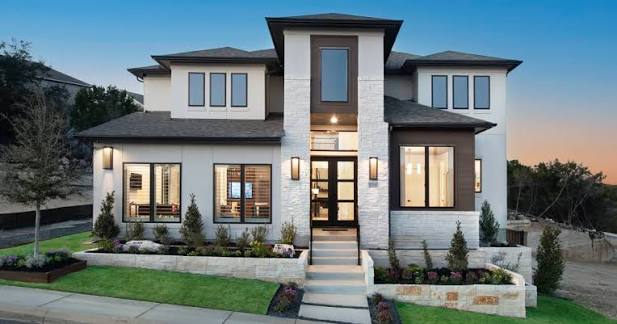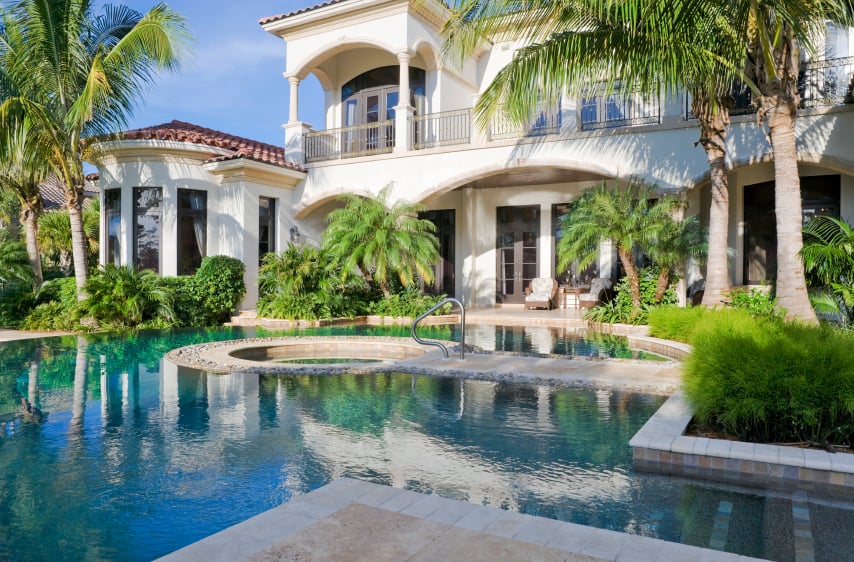
A luxury home can attract a qualified buyer, receive an accepted offer, and still encounter a significant obstacle before closing: the lender's appraisal comes in below the agreed purchase price.
This situation can be especially frustrating when the property is a custom residence with distinctive architecture, substantial renovations, a premium homesite, or features that are difficult to compare with other recent sales.
In San Antonio's luxury market, properties in The Dominion, Shavano Park, Stone Oak, and surrounding Hill Country communities can differ considerably even when their square footage and asking prices appear similar.
When a luxury home appraises below the contract price, the transaction does not automatically terminate. The available options depend on the buyer's financing, the contract terms, the appraisal, and what the buyer and seller are willing to negotiate.
As a Luxury Real Estate Advisor with Kuper Sotheby's International Realty, I believe buyers and sellers should understand these possibilities before an appraisal becomes an issue.
Here is how I recommend evaluating a low appraisal and the decisions that may follow.
What Does It Mean When a Home Appraises Below the Purchase Price?
A low appraisal occurs when the appraiser's opinion of market value is less than the price the buyer and seller agreed upon in their purchase contract.
For example, imagine a luxury home in San Antonio is under contract for $1,200,000, but the lender's appraisal reports a value of $1,125,000.
That creates a $75,000 difference between the contract price and appraised value.
This difference is commonly called an appraisal gap.
The appraisal is not necessarily a statement that the buyer and seller made a poor decision. It is a professional opinion of value prepared for a particular assignment, generally using market evidence and applicable appraisal standards.
However, when a buyer is financing the purchase, the lender may use the appraised value in determining how much it is willing to lend.
That is where the appraisal gap can become a financial and contractual issue.
Why Are Luxury Homes Sometimes Difficult to Appraise?
Luxury properties are often less standardized than homes in conventional subdivisions.
In a neighborhood with several nearly identical houses, an appraiser may be able to identify recent sales with similar floor plans, lot sizes, construction dates, and finishes.
With custom luxury properties, finding directly comparable sales can be more challenging.
Consider a custom estate in The Dominion featuring extensive stonework, a resort-style pool, an oversized garage, and a carefully selected homesite.
Another property nearby may have similar square footage but a substantially different floor plan, construction quality, renovation history, or outdoor living environment.
The homes are not necessarily interchangeable from a buyer's perspective.
The same challenge can arise with established estates in Shavano Park or acreage properties in Cordillera Ranch.
Important differences may include:
- Custom architecture and construction quality
- Homesite size, usability, and privacy
- Views and elevation
- Interior renovations and finish quality
- Guest accommodations or additional living areas
- Garage capacity and specialty spaces
- Swimming pools and outdoor kitchens
- Property condition and maintenance history
- Neighborhood location and competing inventory
These features may influence buyer demand, but determining their market contribution requires evidence and professional judgment.
For more information about the valuation process before listing, read my guide to pricing a luxury home in San Antonio when comparable sales are limited.
How Do Appraisers Select Comparable Sales for Luxury Homes?
An appraiser generally looks for properties that compete with the home being valued, taking into account characteristics such as location, size, design, condition, and site features.
Fannie Mae's appraisal guidance explains that comparable sales should reflect the subject property's market area and relevant physical and legal characteristics.
Comparable homes do not have to be identical, but differences must be analyzed appropriately.
When suitable recent sales are limited, the appraiser may need to expand the geographic search or consider other relevant market evidence, consistent with the assignment's requirements.
For example, an unusual custom estate may require looking beyond its immediate subdivision to identify properties that appeal to a similar group of buyers.
However, expanding the search does not mean that any expensive home in San Antonio becomes an appropriate comparable.
Location, market competition, and property characteristics still matter.
You can review the Fannie Mae guidance on comparable sales for additional context.
1. Understand How the Appraisal Affects the Buyer's Loan
When a buyer uses mortgage financing, the lender evaluates the property as collateral for the loan.
If the appraised value is below the purchase price, the lender may calculate the maximum loan amount using the lower appraised value rather than the contract price, subject to the loan program's requirements.
That can increase the amount of cash the buyer needs to complete the purchase.
Consider this hypothetical example:
- Agreed purchase price: $1,200,000
- Appraised value: $1,125,000
- Appraisal gap: $75,000
- Illustrative maximum loan-to-value ratio: 80%
At 80% of the contract price, the anticipated loan would be $960,000.
At 80% of the appraised value, the loan would instead be $900,000.
If the purchase price remains $1,200,000, the buyer would need $300,000 toward the price rather than the originally anticipated $240,000, before closing costs and other adjustments.
In this example, the buyer's additional cash requirement is $60,000, not necessarily the entire $75,000 appraisal gap.
The financial effect of a low appraisal depends on the loan structure, down payment, underwriting requirements, and available cash.
Buyers should ask their lender to calculate the actual impact rather than assuming they must automatically contribute the full difference between the contract price and appraised value.
2. Review the Texas Contract Before Making a Decision
One of the most important considerations following a low appraisal is the language of the executed purchase contract.
Texas transactions may involve financing provisions, property approval requirements, and appraisal-related addenda.
Those provisions determine whether the buyer has an applicable right to terminate, what notices must be delivered, and which deadlines apply.
For example, the Texas Real Estate Commission provides an Addendum Concerning Right to Terminate Due to Lender's Appraisal.
This form allows parties to establish certain appraisal-related termination rights or waivers when appropriate.
However, not every transaction uses this addendum, and its effect depends on the option selected and the rest of the contract.
Buyers should not assume that every low appraisal provides an automatic right to terminate and recover earnest money.
Similarly, sellers should not assume that the buyer is automatically obligated to pay the original price regardless of the appraisal.
The correct next step is to review the executed contract, applicable addenda, financing provisions, and deadlines before deciding how to proceed.
The Texas Real Estate Commission's appraisal addendum is a useful reference, but questions about the legal effect of a particular contract should be addressed with a qualified Texas real estate attorney.
3. Can the Buyer and Seller Renegotiate the Purchase Price?
Yes. Buyers and sellers may agree to amend the purchase price after a low appraisal.
For example, suppose a property is under contract for $1,200,000 and appraises for $1,125,000.
The seller might agree to reduce the purchase price, the buyer might contribute additional funds, or both parties might negotiate a compromise.
However, a price reduction is not automatic.
The seller may believe the contract price is supported by other market evidence or may have alternative options.
The buyer may also have financial limitations that make contributing additional cash impractical.
When negotiating, I recommend evaluating:
- The appraiser's comparable sales and analysis
- The property's unique characteristics
- Relevant recent closed sales
- The buyer's available funds
- The lender's financing requirements
- The seller's alternatives
- Contractual deadlines and obligations
- The costs and risks of continuing or ending the transaction
Rather than assuming one party must absorb the entire difference, the discussion should focus on the actual numbers and the available contractual options.
4. What Is an Appraisal Gap Agreement?
An appraisal gap agreement generally refers to a contractual arrangement addressing what happens if the property appraises below the agreed purchase price.
Depending on the terms, a buyer may agree to contribute additional funds, waive certain appraisal-related rights, or accept a defined amount of appraisal risk.
These arrangements can affect the financial exposure of the buyer and the certainty of the transaction for the seller.
For example, a buyer might be comfortable covering a limited appraisal shortfall but not an unlimited difference.
However, the enforceable obligations depend on the specific language of the executed documents.
In Texas, buyers and sellers should use appropriate promulgated forms where required and obtain legal guidance for provisions that require attorney drafting or interpretation.
I recommend determining the buyer's actual financial capacity before offering appraisal-related protections.
A buyer should not agree to contribute additional funds without understanding how the arrangement interacts with the loan, down payment, cash reserves, and other closing expenses.
5. Can a Low Appraisal Be Reconsidered?
Sometimes. A buyer may be able to request that the lender review an appraisal for potential factual errors, missing information, or other issues through the lender's reconsideration-of-value process.
This does not guarantee that the value will change.
However, if the appraisal contains an incorrect property characteristic or overlooks relevant market evidence, a documented request may be appropriate.
Examples of information worth reviewing include:
- Incorrect living-area measurements
- Incorrect room counts or property features
- Misidentified property condition
- Omitted permitted improvements
- Relevant comparable sales not considered
- Factual errors involving the homesite
- Incorrect information about renovations
For a custom luxury home, accurate documentation can be particularly important.
Architectural plans, permits, renovation records, and detailed descriptions of improvements may help establish the property's actual characteristics.
That information should be accurate and supported by documentation.
A reconsideration request should identify specific, supportable concerns rather than simply arguing that the agreed purchase price must be the correct value.
The lender controls its appraisal review process. Buyers should work through their lender rather than attempting to pressure the appraiser to reach a particular value.
6. Why Renovations Do Not Always Appraise at Their Full Cost
Luxury homeowners sometimes invest substantially in renovations, additions, and outdoor improvements.
Those investments may improve the property's appeal, functionality, and marketability.
However, the amount spent on an improvement does not automatically equal the amount it contributes to appraised market value.
For example, a homeowner may invest in:
- A fully renovated kitchen
- Premium appliances
- Custom cabinetry
- Natural stone finishes
- A resort-style swimming pool
- Extensive outdoor living improvements
- Specialized garage or hobby spaces
Some buyers may place substantial value on those features.
Others may not be willing to pay a corresponding premium.
Appraisers must evaluate how the market responds to property characteristics rather than simply adding up renovation invoices.
This is especially important for sellers of highly customized homes.
A property's replacement cost, total renovation expenditure, asking price, and market value are different concepts.
7. Should a Seller Challenge a Low Appraisal?
A seller can help identify factual inaccuracies and provide relevant property information through appropriate channels.
However, whether an appraisal review is appropriate depends on the circumstances.
If the appraisal omits a significant permitted addition or relies on incorrect property information, a documented concern may deserve attention.
If the appraisal simply reaches a lower value than the seller hoped for, that alone does not establish an error.
Before pursuing a review, I recommend asking:
- Is there a specific factual mistake?
- Were important property characteristics omitted?
- Are there relevant sales that warrant consideration?
- Is the supporting evidence accurate and verifiable?
- Does the lender permit the information to be submitted through its review process?
The goal should be an accurate valuation, not a predetermined result.
8. How Should Luxury Sellers Prepare for an Appraisal?
One of the most useful things sellers can do is organize accurate information about the property before the appraisal takes place.
For a custom luxury residence, I recommend assembling available documentation such as:
- Property surveys and floor plans
- Permitted addition records
- Renovation dates and descriptions
- Relevant building permits
- Major mechanical system updates
- Roof replacement information
- Pool and outdoor improvement details
- Information about guest accommodations
- Other significant property-specific improvements
It can also be useful to prepare an accurate summary of the property's distinctive features.
However, sellers should understand that documentation does not guarantee a particular appraised value.
Its purpose is to help ensure that the property is described accurately and that relevant information is available for consideration.
9. Does a Cash Buyer Need an Appraisal?
Not necessarily. A cash purchase generally does not involve a mortgage lender requiring an appraisal as part of its underwriting process.
However, a cash buyer may still choose to obtain an independent appraisal or other valuation advice.
Some buyers want additional assurance about the purchase price, particularly when acquiring a highly customized property with limited comparable sales.
Others may rely on a combination of comparable-sales analysis, property inspections, and their own assessment of value.
Whether a cash buyer has any appraisal-related contractual rights depends on the executed purchase agreement.
For sellers, a cash offer can remove certain mortgage-underwriting risks, but it does not eliminate all transaction risk.
10. What Makes Appraisals Different in The Dominion, Shavano Park, and the Hill Country?
San Antonio's luxury market is made up of several distinct residential environments.
That matters because properties with similar prices may compete for different buyers.
The Dominion
The Dominion includes established luxury residences, golf-oriented properties, garden-home sections, and highly customized estates.
Appraisal considerations can vary by the specific section, homesite, architecture, and property condition.
A smaller luxury garden home and a large custom estate may be located within the same community but serve different segments of the market.
Shavano Park
Shavano Park contains established custom homes and residential areas where homesite characteristics, construction dates, and renovation histories can differ substantially.
For these properties, I would pay particular attention to the competitive market, condition, and relevant sales rather than relying exclusively on price per square foot.
Stone Oak
Stone Oak includes a broad range of subdivisions, gated neighborhoods, and custom luxury residences.
Buyers should understand that a home in an established traditional subdivision may have a different set of comparable properties from a custom estate in a luxury enclave.
Boerne and Cordillera Ranch
In the broader Boerne market, luxury properties may include custom homes, acreage estates, golf-course residences, and properties with substantial Hill Country views.
At Cordillera Ranch, homesite size, location within the community, elevation, construction quality, and club-oriented amenities can create meaningful differences between properties.
These distinctions reinforce why luxury valuations require property-specific analysis.
11. Should Buyers Waive Appraisal Protections to Make an Offer More Competitive?
Not without understanding the financial and contractual implications.
Appraisal-related protections can be an important part of a financed purchase.
Waiving or limiting those protections may expose a buyer to additional cash requirements or other consequences if the appraisal is below the contract price.
Before making that decision, I recommend discussing:
- Available liquid funds
- Expected loan-to-value requirements
- Cash needed for closing costs
- Post-closing reserves
- The property's comparable-sales support
- Applicable contractual deadlines
- Potential consequences if financing cannot be completed
For a buyer purchasing a custom luxury home, a competitive offer should still be consistent with the buyer's financial goals and risk tolerance.
There may be ways to improve an offer through price, timing, financing documentation, or other terms without taking on appraisal risk the buyer cannot comfortably support.
12. My Recommended Approach When an Appraisal Comes in Low
If a luxury property appraises below the contract price, I recommend approaching the situation in a deliberate sequence.
- Confirm the actual appraisal result. Understand the appraised value and whether the lender has completed its review.
- Speak with the lender. Determine how the result affects loan approval and the buyer's required funds.
- Review the contract. Identify applicable appraisal and financing provisions, notice requirements, and deadlines.
- Evaluate the report. Look for supportable factual concerns or missing relevant information.
- Consider available options. These may include a lender review, additional buyer funds, an agreed price adjustment, or another permitted solution.
- Negotiate with the complete picture. Consider the seller's alternatives, the buyer's financial capacity, and the risk of not closing.
- Document any agreement appropriately. Ensure required amendments and communications are handled through the appropriate professionals.
Not every low appraisal can be resolved, and not every transaction should proceed at the original price.
The objective is to understand the available options and make a decision based on reliable information.
Frequently Asked Questions About Luxury Home Appraisals in San Antonio
What happens if a luxury home appraises below the purchase price?
A low appraisal may reduce the amount a mortgage lender is willing to finance. The buyer and seller may consider additional buyer funds, a negotiated price change, an appraisal review, or other options. Contract terms determine the parties' rights and obligations.
Does the seller have to lower the price if the appraisal is low?
No. A seller is not automatically required to reduce the purchase price because of a low appraisal. Whether the transaction proceeds, is renegotiated, or ends depends on the executed contract and the parties' decisions.
Can a buyer walk away after a low appraisal in Texas?
Possibly. A buyer's termination rights depend on the executed contract, financing provisions, applicable appraisal addenda, and deadlines. A low appraisal does not automatically create an unrestricted right to terminate.
Who pays the appraisal gap?
The financial responsibility depends on the contract, lender requirements, and any agreement reached between buyer and seller. The buyer may contribute additional funds, the seller may agree to reduce the price, or the parties may negotiate another arrangement.
Does the buyer have to pay the full difference between the appraisal and purchase price?
Not necessarily. The additional cash required depends on the loan-to-value calculation, loan program, down payment, and lender requirements. Buyers should request a revised funds-to-close estimate from their lender.
Can a luxury home appraisal be challenged?
Buyers may be able to request a reconsideration of value through their lender when there are supportable factual errors or relevant information that warrants review. A request does not guarantee a higher valuation.
Why are custom homes harder to appraise?
Custom homes often have unique architecture, construction quality, renovations, homesites, and amenities. Those differences can make it more difficult to identify recent sales of genuinely comparable properties.
Does a swimming pool add its full construction cost to an appraisal?
No. A pool's contribution to market value depends on buyer demand, condition, design, and comparable market evidence. Its original construction cost does not automatically equal its appraised value contribution.
Can a home sell for more than its appraised value?
Yes. A buyer and seller may complete a transaction above the appraised value if financing, available funds, and contractual requirements allow it. The appraisal does not necessarily establish a maximum legal purchase price.
Do cash buyers need an appraisal?
Cash buyers generally do not have a mortgage lender requiring an appraisal, but they may choose to obtain one independently. Their contractual rights depend on the terms of the purchase agreement.
How can sellers prepare for a luxury home appraisal?
Sellers can organize accurate information about permitted improvements, renovations, property features, and available records. Relevant market information may also be provided through appropriate channels, without attempting to influence the appraiser's independent conclusion.
Should I get an appraisal before listing my luxury home?
Sometimes an independent appraisal may be useful, particularly for an unusual property or a specific financial purpose. However, it does not guarantee that a future buyer's lender appraisal will reach the same conclusion. A current market analysis remains an important part of pricing strategy.
Buying or Selling a Luxury Home in San Antonio?
A low appraisal can create uncertainty, but it does not always mean a transaction cannot move forward.
Understanding the property's market position, the buyer's financing, and the applicable contract terms can help both parties evaluate the situation more effectively.
For custom homes in The Dominion, Shavano Park, Stone Oak, Boerne, Cordillera Ranch, and the surrounding Texas Hill Country, I believe that property-specific research and thoughtful negotiation are especially important.
I'm Cody Miller, a Luxury Real Estate Advisor with Kuper Sotheby's International Realty serving San Antonio and the surrounding Texas Hill Country.
I help buyers and sellers evaluate luxury properties, understand comparable market evidence, develop transaction strategies, and navigate the decisions involved in buying or selling a distinctive home.
If you're considering a luxury purchase or preparing to sell a custom property, I'd welcome the opportunity to discuss your goals and the market considerations that may affect your transaction.
Contact Cody Miller to discuss your San Antonio luxury real estate goals.