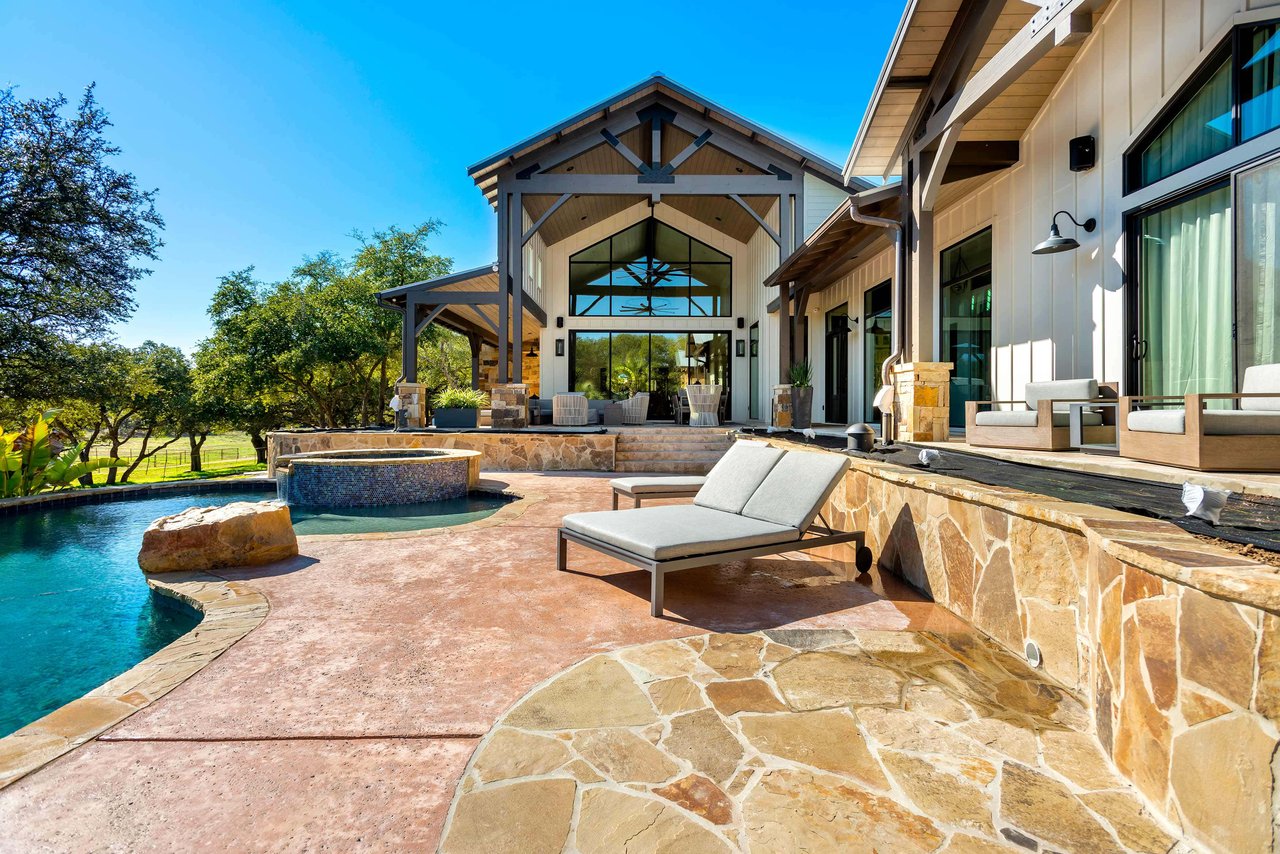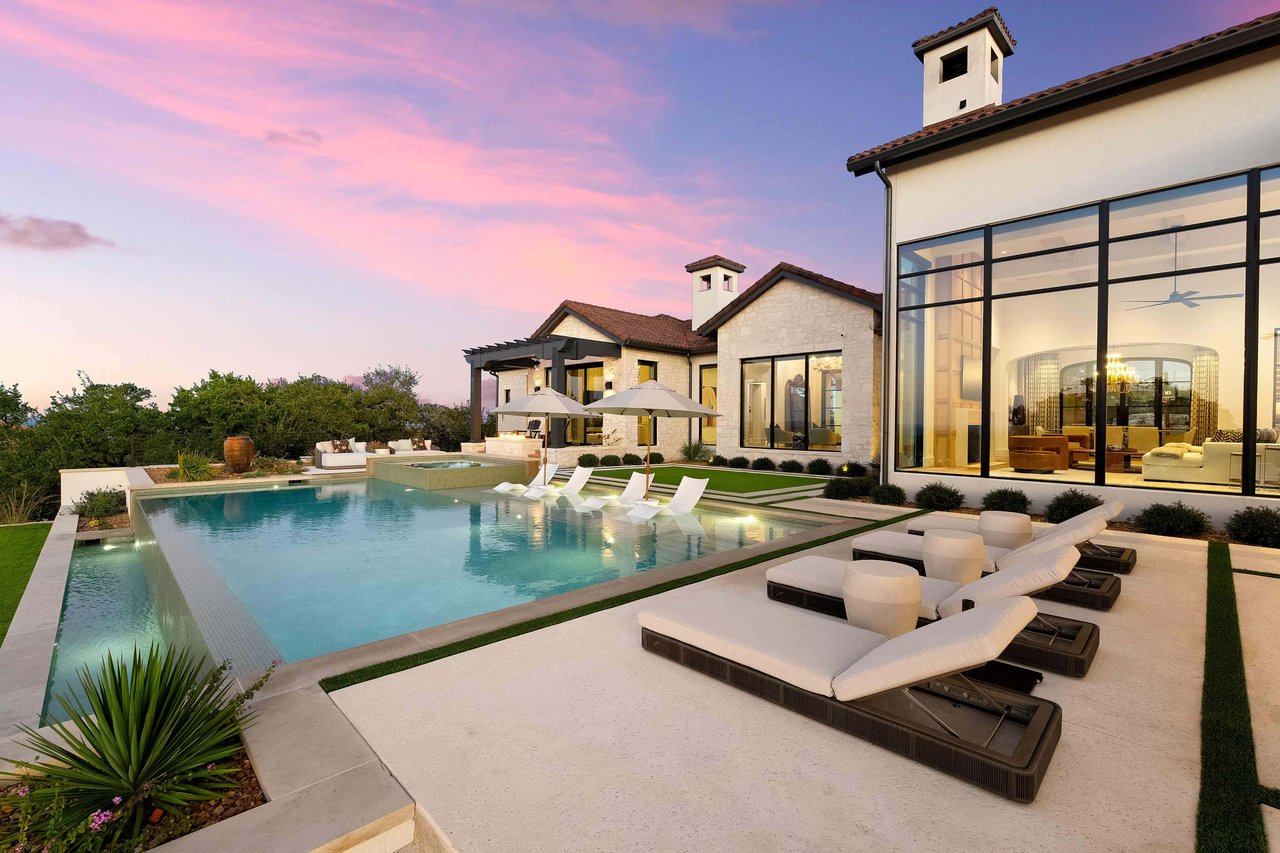
A covered patio and a beautiful backyard can be a major part of the appeal of a Stone Oak home. Photographs may show the outdoor kitchen, pool, or landscaping well. They do not always show how the space feels when you sit down, look toward neighboring homes, or listen to the surroundings.
Privacy is personal. One buyer may want a quiet place for morning coffee. Another may care most about screening around a pool, distance from nearby windows, or room to entertain comfortably. Start by defining the experience you want.
To evaluate backyard privacy in Stone Oak, consider sightlines from the places you will use, changes in elevation, neighboring structures, sound, and the rules governing possible improvements.
As a Luxury Real Estate Advisor with Kuper Sotheby's International Realty, I encourage buyers to spend time in the outdoor spaces during a showing rather than viewing them only through a back window.
Sit Where You Would Actually Spend Time
Walk to the proposed dining area, lounge seating, pool deck, and outdoor cooking space. When permitted, sit at the level you would normally use. A patio can feel private while standing near the back door and more exposed from a chair at the edge of the terrace.
Look toward nearby windows, balconies, decks, and gathering areas. Consider the views in both directions without assuming how a neighbor uses a particular room. You are evaluating the physical arrangement, not predicting someone else's routine.
Check the primary bedroom and main living spaces as well. Privacy inside the home and privacy in the backyard can be different questions.
Read the Elevation, Not Just the Fence Height
In a sloped setting, the relationship between lots can matter as much as the distance between homes. A fence that screens a level patio may provide less screening from a higher neighboring property.
Look at retaining walls, raised terraces, second-story windows, and the grade beyond the rear boundary. Walk the entire accessible backyard and decide which areas feel comfortable for your intended use.
If changes to walls, grading, or drainage are part of your plans, get qualified advice before assuming the work is straightforward. Privacy improvements should be evaluated alongside structural and drainage considerations.
Understand What Is Beyond the Lot
A wooded area or open space can be attractive, but appearance alone does not establish who owns it, how it may be used, or whether it will remain unchanged. Ask for the relevant records and confirm questions through appropriate sources.
The same care applies to a rear access area, drainage corridor, neighboring vacant lot, or tract beyond a fence. Do not treat an informal description of a greenbelt as a guarantee of permanent privacy.
Review the survey, available recorded documents, association information, and applicable planning information as appropriate. If future use of adjoining land is central to your decision, identify that concern early and seek reliable clarification.
Listen as Well as Look
A backyard can feel visually screened and still carry noticeable sound. During a permitted visit, pause without conversation and listen for traffic, equipment, nearby activity, and the property's own pool or mechanical systems.
If quiet is a priority, consider a second visit at a different permitted time. A single visit is only a snapshot; even several visits cannot guarantee future conditions. Still, they can help you make a more informed comparison between properties.
Decide which sounds matter to you personally. The goal is to evaluate your experience rather than assign a universal quietness score to an entire neighborhood.
Evaluate Landscaping as It Exists Today
Existing trees and shrubs may contribute to screening, shade, and the feeling of an outdoor room. Look at coverage from the spaces you plan to use instead of assuming that mature landscaping provides privacy everywhere.
Consider gaps, plant condition, irrigation needs, and the maintenance required to keep the intended effect. Ask a qualified landscape professional about suitability and realistic growth expectations if new planting is part of your plan.
Also clarify which vegetation is on the property and which belongs to a neighbor or another owner. A landscape feature outside your control may change. Do not base an essential privacy requirement solely on someone else's plantings.
Check the Rules Before Planning a Screen or Fence
Buyers sometimes assume they can solve any privacy concern after closing with a taller fence, pergola, hedge, or screen. That plan deserves research before it becomes part of the purchase decision.
Request the governing documents for the specific property and ask about the applicable review process. Confirm any restrictions, setbacks, easements, approval requirements, and other rules relevant to the proposed work. Association approval and any applicable governmental requirements are separate questions.
Stone Oak includes multiple communities. A solution allowed at one address may not be appropriate or permitted at another. Seek written clarification from the appropriate parties when an improvement is essential to your plans.
Balance Privacy With the Rest of the Home
Greater screening may come with tradeoffs: less open sky, more landscape care, reduced views, or a different relationship between indoor and outdoor spaces. Decide which combination feels right for you.
Compare the property as it stands today first. Then evaluate feasible changes, likely costs, and required approvals. This prevents an appealing but unverified future project from carrying too much weight in your decision.
Your Backyard Showing Checklist
- Define where you want privacy and what activities the space should support.
- Check views from seated positions and the rooms facing the yard.
- Review elevation, terraces, retaining walls, and nearby upper-floor windows.
- Clarify ownership and documented use of adjoining land.
- Listen to current conditions and revisit if appropriate.
- Evaluate landscaping condition and who controls it.
- Verify restrictions and approvals before relying on a future improvement.
Frequently Asked Questions
Does backing to open space guarantee privacy?
No. Confirm ownership, recorded restrictions, and relevant use information. Open space seen during a showing is not by itself a promise about future conditions.
Can I add a taller fence after buying?
That depends on the property and applicable requirements. Review governing documents and confirm the approval process before relying on a fence change.
Find an Outdoor Space You Will Enjoy
A backyard should fit how you want to live, not just photograph well. If privacy is part of your Stone Oak home search, contact me to compare the details that shape the experience.
Cody Miller | Luxury Real Estate Advisor | Kuper Sotheby's International Realty